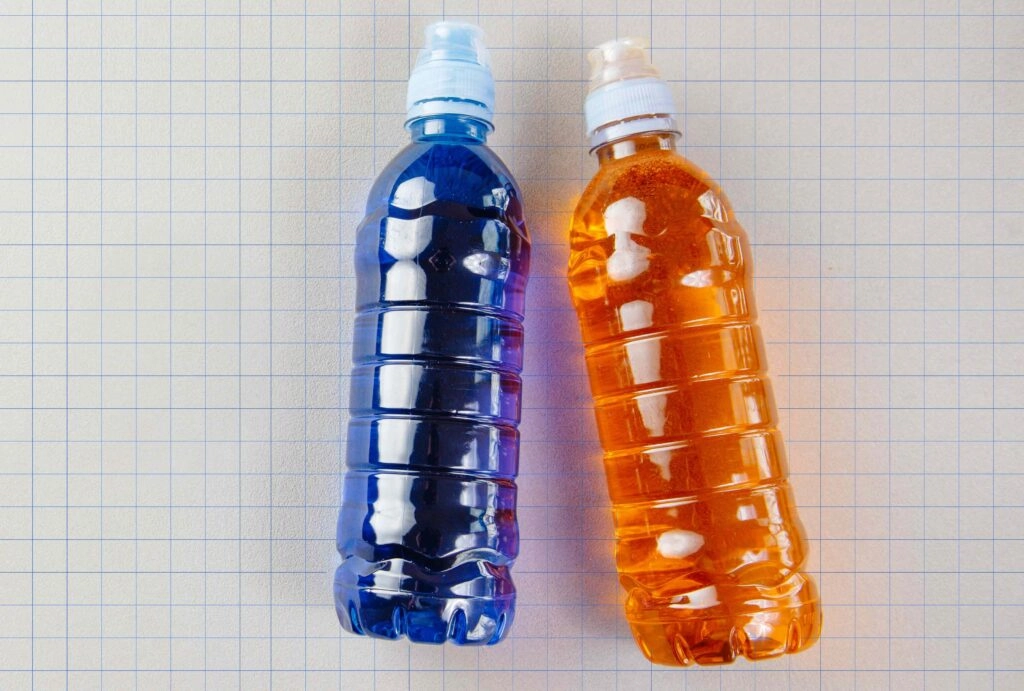
Consuming electrolyte drinks can be beneficial for hydration and replenishing lost minerals, especially during intense physical activity or in hot conditions. However, drinking too many of these beverages can lead to various health issues. Electrolyte drinks typically contain high levels of sodium, potassium, and sometimes added sugars, which can disrupt the body’s natural balance if consumed in excess. When you overconsume these drinks, the high sodium content can lead to increased blood pressure, which poses risks for heart health, especially for individuals with pre-existing conditions.
Moreover, excessive intake of electrolyte drinks can lead to an imbalance of electrolytes in the body. While electrolytes are essential for muscle function and hydration, an overload can cause hypernatremia, a condition characterized by high sodium levels in the blood. Symptoms of this condition may include nausea, confusion, and muscle twitching. Additionally, too much potassium can lead to hyperkalemia, which can have serious consequences, including heart palpitations and muscle weakness. Therefore, moderation is key when it comes to consuming these drinks.
Furthermore, many electrolyte drinks are also high in added sugars, which can contribute to weight gain and other metabolic issues if consumed in large quantities. The calorie content can add up quickly, and relying on these drinks instead of water can lead to an overall increase in caloric intake. This can be particularly concerning for those who are trying to maintain a balanced diet or manage their weight. In essence, while electrolyte drinks can be useful in specific situations, it’s essential to be mindful of the quantity consumed to avoid adverse health effects.
In summary, while electrolyte drinks serve a purpose in hydration and replenishment, excessive consumption can lead to health complications such as high blood pressure, electrolyte imbalances, and increased caloric intake. It’s important to consume these beverages judiciously and to prioritize water intake for daily hydration needs. For most people, especially those not engaged in prolonged or intense physical activity, plain water remains the best choice for hydration. Balancing electrolyte drinks with adequate water consumption can help maintain optimal health without the risk of adverse effects.