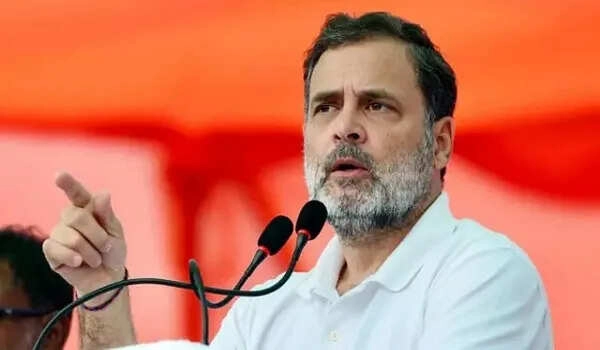
Rahul Gandhi has raised alarms regarding the potential repercussions of the ongoing conflict in the Middle East, asserting that India stands to suffer significant consequences from the war. He emphasized the importance of being vigilant and proactive in addressing the crisis, as the ramifications could extend beyond the region and affect India’s national interests. His concerns are rooted in the interconnected nature of global politics, where conflicts in one part of the world can have ripple effects elsewhere, including in India.
In a related context, Gandhi launched a fierce critique of the Indian government’s approach to trade agreements, particularly focusing on the United States trade deal. He argued that the current administration has failed to secure favorable terms that would benefit the Indian economy. Instead, he believes that the government is prioritizing short-term gains over long-term strategic partnerships that are crucial for India’s growth. By highlighting these issues, Gandhi aims to draw attention to the need for a more robust and proactive foreign policy that safeguards Indian interests amidst global uncertainties.
Furthermore, Gandhi’s warnings serve as a reminder of the complexities involved in international relations and trade. The Middle East conflict could lead to fluctuations in oil prices, disruptions in trade routes, and an influx of refugees, all of which could strain India’s resources and economy. His statements call for a comprehensive analysis of the situation and a strategic response from the Indian government. As the situation evolves, it is imperative for India to navigate these challenges carefully to maintain stability and protect its national interests in a rapidly changing geopolitical landscape.