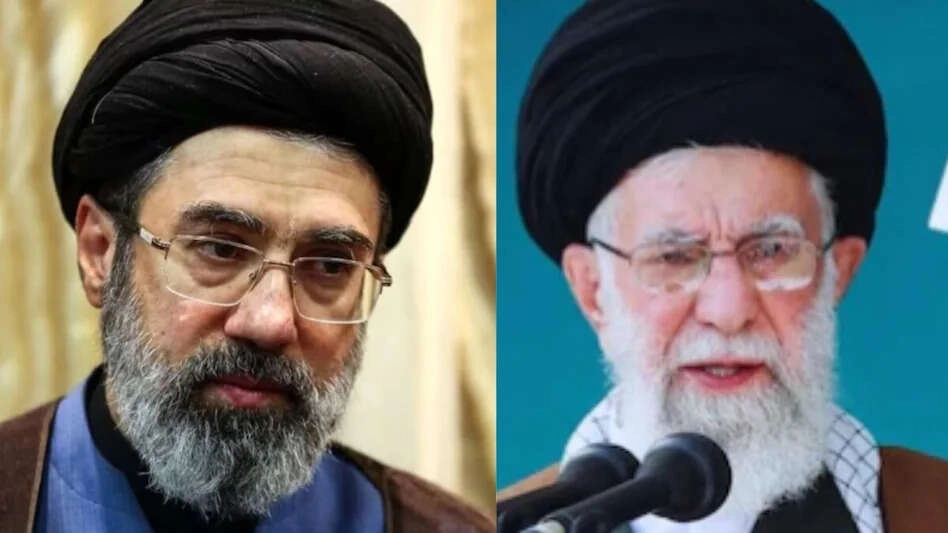
In the wake of Supreme Leader Ayatollah Ali Khamenei’s death, Iran has entered a new phase of political dynamics, with his son, Mojtaba Khamenei, stepping into a prominent leadership role. This transition raises significant questions about the future direction of the Iranian regime and its policies, both domestically and internationally. Mojtaba, who has been seen as a potential successor for some time, faces the challenge of maintaining the ideological foundations laid by his father while also addressing the pressing issues facing the nation, such as economic instability, social unrest, and international isolation.
Former U.S. President Donald Trump had previously expressed a firm stance on Iran, stating, “We will not accept” any regime changes or shifts that could undermine U.S. interests in the region. His administration was characterized by a tough approach towards Iran, including the withdrawal from the Iran nuclear deal and the imposition of stringent sanctions. Trump’s remarks underscore the geopolitical complexities surrounding Iran’s leadership changes and the potential ramifications on U.S.-Iran relations. As Mojtaba takes the helm, he must navigate not only internal factions within Iran but also external pressures from the international community, particularly from the United States.
The political landscape in Iran is further complicated by the historical context of Khamenei’s leadership, which has been marked by a strict adherence to the principles of the Islamic Revolution. Mojtaba’s ability to consolidate power and garner support from key factions within the regime will be critical as he seeks to assert his authority. Observers are watching closely to see whether he will adopt a more reformist approach or adhere to the hardline policies that have characterized his father’s tenure. The implications of his leadership could significantly impact Iran’s relations with neighboring countries and its stance on critical issues such as nuclear development and regional militancy.
In conclusion, the political future of Iran is uncertain as Mojtaba Khamenei steps into a role that could shape the nation’s trajectory for years to come. The interplay between domestic challenges and international pressures, particularly from the U.S., will be pivotal in determining how Iran navigates this transition. As the world watches, the actions of the new leadership will undoubtedly influence not only Iran’s internal stability but also its position on the global stage.