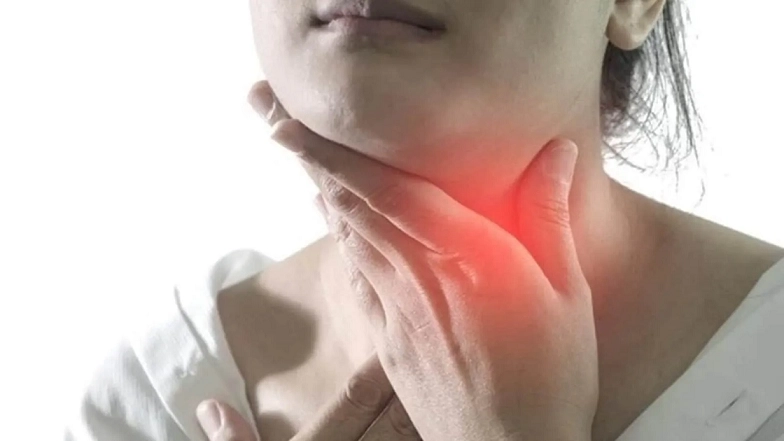
Thyroid issues are quite common among women, and recognizing the early symptoms can be crucial for timely intervention and management. The thyroid gland, located in the neck, plays a vital role in regulating various bodily functions, including metabolism, energy levels, and hormonal balance. When this gland becomes underactive (hypothyroidism) or overactive (hyperthyroidism), it can lead to a range of health problems. Therefore, it’s essential for women to be vigilant about the early signs of thyroid dysfunction.
One of the most common early symptoms of hypothyroidism includes fatigue and a persistent feeling of tiredness. Women may notice a significant drop in energy levels, making it difficult to carry out daily activities. Additionally, weight gain or difficulty losing weight can be a red flag. This is often accompanied by changes in mood, such as increased irritability or depression. Other symptoms to watch for include dry skin, hair loss, and sensitivity to cold temperatures. These indicators may seem mild initially but can lead to more serious complications if left unaddressed.
On the other hand, hyperthyroidism presents its own set of symptoms, which might include unintentional weight loss, rapid heartbeat, and heightened anxiety or nervousness. Women might also experience increased sweating and difficulty sleeping. Recognizing these symptoms early on is critical, as hyperthyroidism can lead to severe health issues, including heart problems and osteoporosis. Regular check-ups and blood tests can help monitor thyroid hormone levels and ensure that any potential issues are identified swiftly.
In conclusion, women should not overlook the early signs of thyroid problems. Being attuned to changes in energy levels, weight, mood, and other physical symptoms can lead to early diagnosis and treatment, significantly improving quality of life. If you notice any of these symptoms, it’s advisable to consult a healthcare professional for further evaluation and possible testing. Early intervention is key to managing thyroid health effectively and maintaining overall well-being.