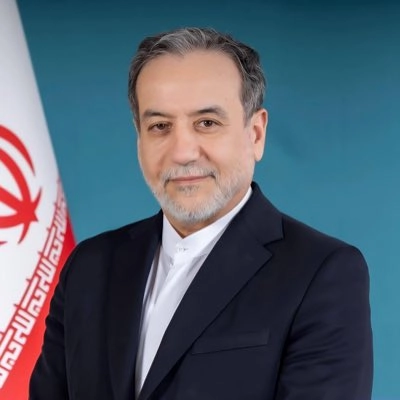
The recent attacks on American military bases have been framed by Iranian officials as acts of self-defense. Iranian Deputy Foreign Minister Abbas Araghchi emphasized that these actions are justified under the principle of self-defense. He articulated that, in the face of aggression, nations have the inherent right to protect their sovereignty and territorial integrity. This assertion reflects a broader narrative within Iran regarding its military engagements and the perceived threats from foreign powers, particularly the United States.
Araghchi’s statements come amidst escalating tensions between the U.S. and Iran, marked by a series of confrontations in the region. Iran maintains that its military responses are not acts of aggression but rather necessary measures to safeguard its national interests. The Iranian leadership has often pointed to the presence of U.S. forces in the Middle East as a destabilizing factor, arguing that these bases pose a direct threat to regional security.
The discourse surrounding self-defense is complex and often contentious in international relations. Iran’s justification for its military actions raises questions about the legality and morality of such responses under international law. While nations have the right to defend themselves, the means and methods employed in such defense can lead to further escalation and conflict. The situation underscores the delicate balance that countries must navigate when addressing perceived threats while adhering to international norms and laws.
As tensions continue to simmer, the international community watches closely, aware that the ramifications of these actions can extend far beyond the immediate conflict. The potential for misinterpretation or miscalculation remains high, necessitating careful diplomacy and dialogue to prevent further hostilities. In this context, Araghchi’s remarks serve as a reminder of the fraught nature of military engagement and the ongoing struggle for power and security in a volatile region.