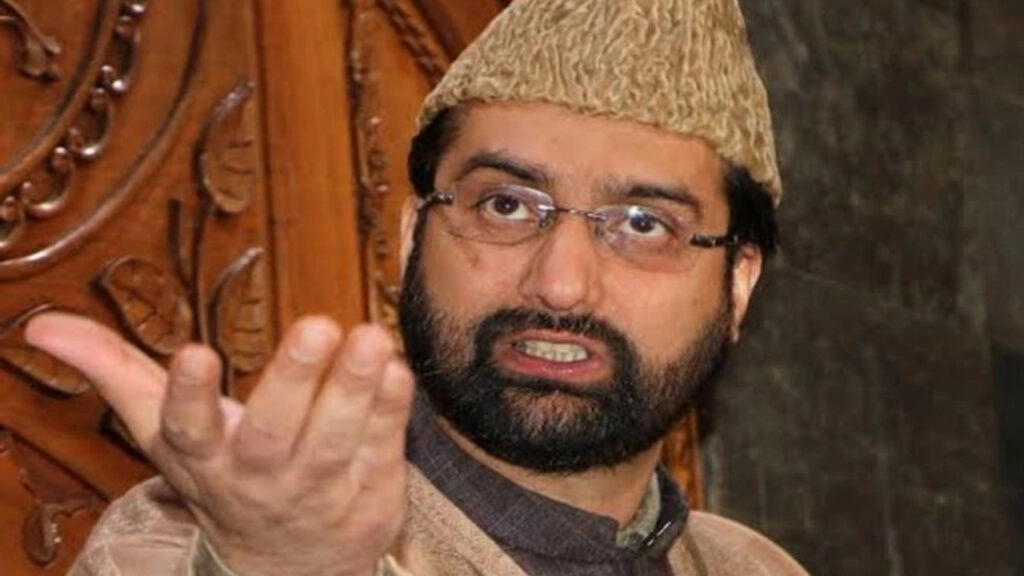
Tensions have escalated in Kashmir during the holy month of Ramzan, as prominent separatist leader Mirwaiz Umar Farooq has reported being placed under house arrest by government officials. The timing of this action has raised concerns among his supporters and the broader community, as Ramzan is typically a period of reflection, prayer, and communal harmony. Farooq, who has been a vocal advocate for Kashmiri rights and a key figure in the region’s separatist movement, expressed his discontent over the restrictions imposed on him. He claimed that such measures not only infringe upon his personal freedoms but also disrupt the spiritual observances of the people during this significant time.
The imposition of house arrest on Farooq has drawn attention to the ongoing political climate in Kashmir, where tensions between separatists and government forces frequently escalate. Many view this move as part of a broader effort by authorities to stifle dissent and limit the influence of pro-independence voices within the region. The situation has sparked debate over the implications of such restrictions on civil liberties, particularly during a month when many seek to engage in acts of charity and community service. Observers argue that the government’s actions may exacerbate feelings of alienation among the local population, further complicating the already delicate socio-political landscape.
As the conflict in Kashmir continues to unfold, the treatment of leaders like Mirwaiz Umar Farooq remains a focal point for discussions about governance, security, and human rights. The international community is closely monitoring the situation, as the region’s stability is crucial not only for its inhabitants but also for broader geopolitical interests. Consequently, the events surrounding Ramzan this year may serve as a litmus test for the future of political discourse in Kashmir and the government’s approach to managing dissent. With increasing scrutiny from both national and international observers, the way the authorities handle such situations could have lasting effects on the region’s peace and the relationship between the government and its citizens.