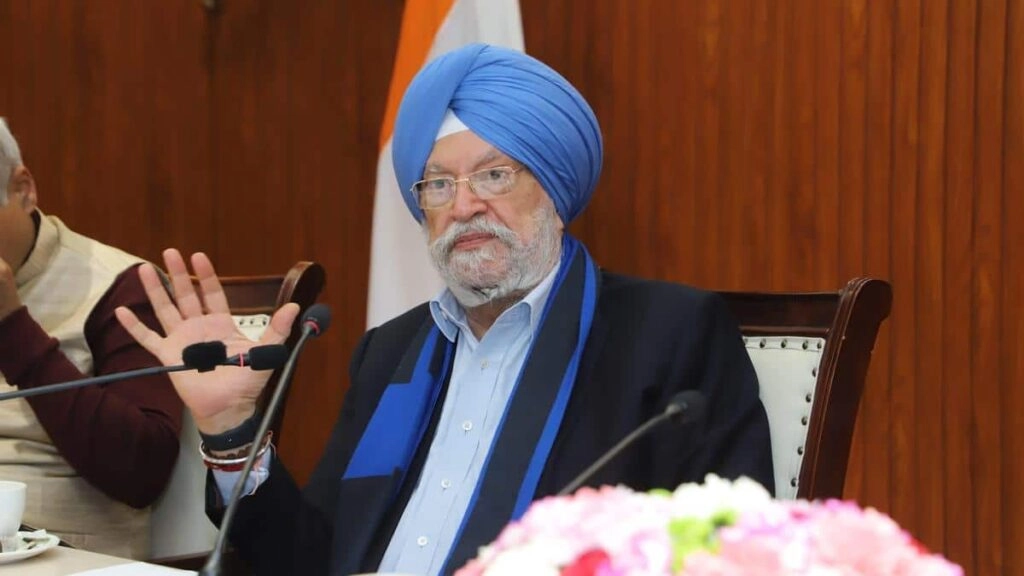
Hardeep Singh Puri, India’s Minister of Petroleum and Natural Gas, has stated that the ongoing conflict in West Asia does not present an immediate threat to India’s energy security. This assertion comes amidst rising tensions in the region, which is known for its significant oil reserves and production capacity. Puri emphasized that India has diversified its energy sources and established robust partnerships with various oil-producing nations, which mitigates potential risks associated with geopolitical unrest.
The minister acknowledged the complexities of the situation in West Asia but reassured that India’s strategic reserves and the ability to procure energy from different suppliers play a crucial role in maintaining stability in the country’s energy landscape. India has been actively engaging with countries across the globe to ensure a steady supply of crude oil, thus reducing its dependence on any single source. This proactive approach not only safeguards India’s energy needs but also positions the nation as a key player in the global energy market.
Furthermore, Puri highlighted the importance of energy diplomacy in fostering bilateral relationships with oil-rich nations. By strengthening these ties, India aims to create a more resilient energy infrastructure that can withstand external shocks, such as conflicts or sanctions. The government’s focus on renewable energy sources also reflects a long-term strategy to enhance energy security and reduce the reliance on fossil fuels, which is critical in the context of climate change and global sustainability initiatives.
In conclusion, while the West Asia conflict raises concerns for many nations reliant on oil imports, India appears to be in a strong position to navigate these challenges. With a combination of strategic partnerships, diversified sources, and a commitment to renewable energy, India is working towards achieving energy independence and security in an ever-changing geopolitical landscape. This comprehensive approach not only addresses immediate threats but also lays the groundwork for a sustainable energy future.