India has heightened its security measures in response to the recent death of Iranian Supreme Leader Ayatollah Ali Khamenei. The Indian government is on high alert, closely monitoring the situation due to concerns that Khamenei’s passing could lead to unrest both domestically and in the broader region. Authorities are particularly vigilant regarding potential protests or demonstrations that may arise as a reaction to this significant political event in Iran, given the strong ties between India and Iran.
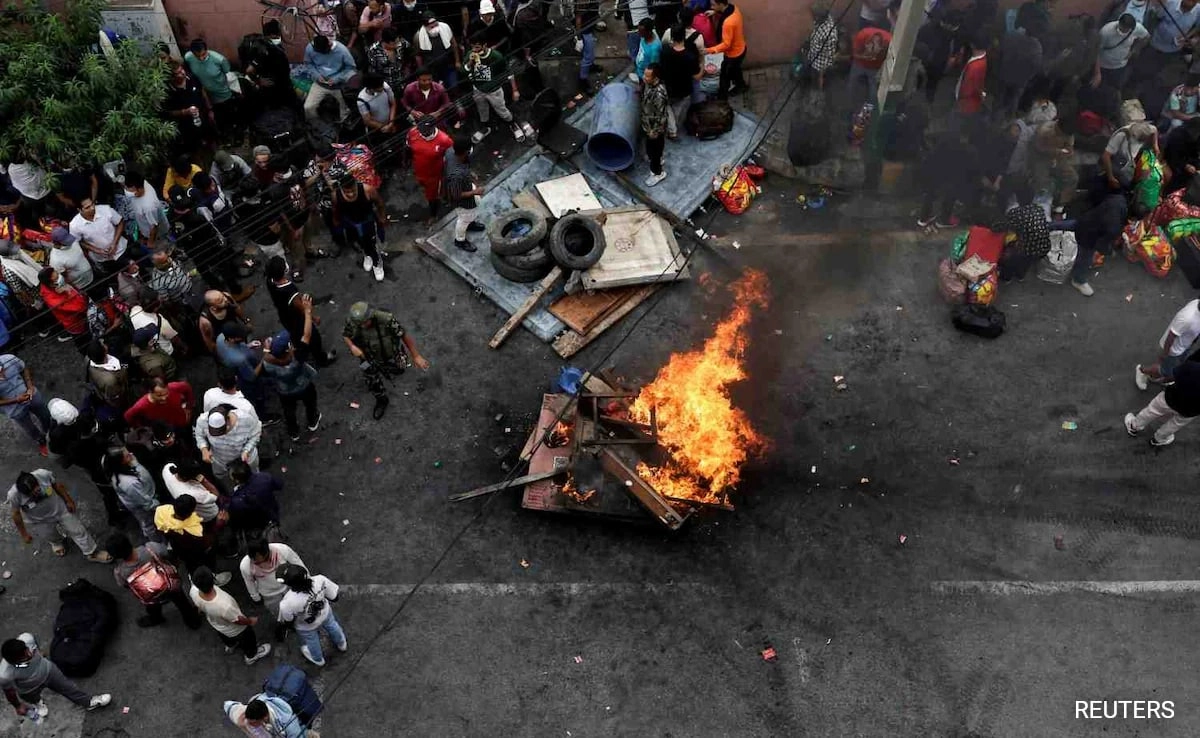
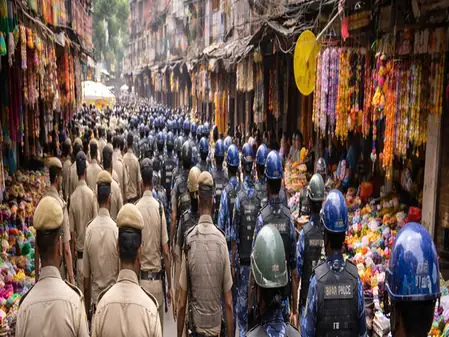
In light of these developments, law enforcement agencies across the country have been instructed to remain on standby, ready to respond to any incidents that could threaten public order. Intelligence reports suggest that there may be factions within India that could exploit the situation to incite disturbances. As a result, the government is taking proactive measures to ensure that any potential unrest is swiftly contained, emphasizing the importance of maintaining peace and stability.
In addition to increasing police presence in sensitive areas, the Indian authorities are also engaging with community leaders to promote calm and discourage any inflammatory rhetoric. The government’s approach underscores a commitment to protecting national security while also respecting the rights of individuals to express their opinions peacefully. As India navigates this complex situation, officials are keenly aware of the historical context and the potential for regional implications stemming from Khamenei’s leadership vacuum.
Overall, the response to Khamenei’s death reflects the Indian administration’s broader strategy of vigilance and preparedness in the face of geopolitical shifts, reinforcing the need for law and order while fostering a peaceful environment for its citizens.