Holi, the vibrant festival of colors celebrated across India, often brings with it a plethora of festive treats and sweets, one of the most popular being ‘mawa’ or khoya. However, with the joy of indulging in these delicious delicacies comes the concern of adulteration, which can pose health risks. As we approach Holi in 2026, it is crucial for consumers to be aware of the potential for ‘poisonous’ mawa being sold in the market. To ensure that the mawa you are consuming is pure and safe, there are five simple tests that can be performed at home, allowing you to detect adulteration in just a few minutes.
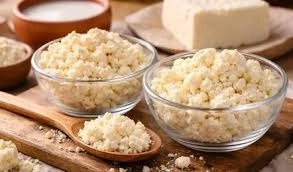
The first test involves checking the consistency and texture of the mawa. Pure mawa should be soft and creamy, while adulterated mawa may have a grainy texture or feel excessively oily. Another effective test includes observing the color; authentic mawa typically has a natural off-white hue. If the color is unusually bright or vibrant, it may indicate the presence of artificial coloring agents, which are harmful to health. Furthermore, you can perform a simple water test: dissolve a small piece of mawa in water. Pure mawa will dissolve completely, while adulterated goods may leave behind residues or form lumps.
Additionally, you can test the purity of mawa by smelling it. Genuine mawa has a distinct, rich aroma of fresh milk, while any chemical or synthetic smell can be a red flag for adulteration. Lastly, the taste test is crucial; pure mawa will have a rich, creamy flavor, whereas adulterated versions may taste off or have an unusual aftertaste. By conducting these easy home tests, you can ensure that the mawa you use in your Holi sweets is safe and of high quality, allowing you to celebrate the festival without compromising your health. As you prepare for Holi, remember that safety and purity should be your top priorities when selecting festive foods.