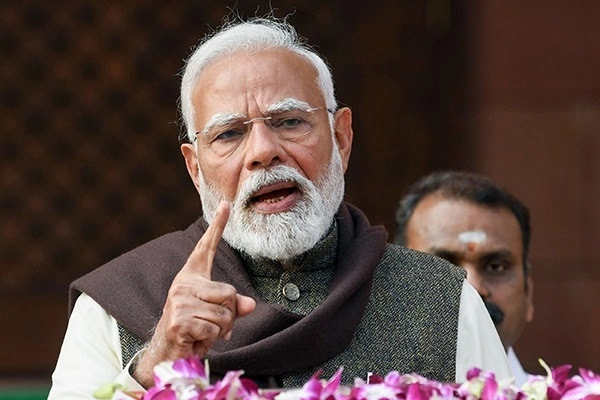
The Central Government has made a significant decision to halt the distribution of fortified rice, a move that has raised various concerns and discussions across the nation. Fortified rice, which is enriched with essential vitamins and minerals, was introduced as a measure to combat malnutrition and improve the nutritional intake of the population, particularly in vulnerable communities. This decision comes amid ongoing debates regarding food security, health initiatives, and the effectiveness of current nutritional programs.
The cessation of fortified rice distribution is expected to have widespread implications, especially for marginalized groups who rely on government assistance for their daily sustenance. Many health experts and nutritionists have expressed their apprehensions, emphasizing the potential impact on the health of millions who benefit from such initiatives. The government’s rationale behind this decision is not entirely clear, but it has sparked a call for transparency and dialogue regarding the future of nutritional programs and food aid strategies.
Furthermore, this development may prompt a reevaluation of alternative approaches to address malnutrition and food insecurity. Advocates for public health are urging the government to consider other methods of ensuring that essential nutrients reach those in need, such as through local food production, community-based programs, and education on nutrition. As the situation evolves, the government will need to navigate the complexities of public health policy and respond to the concerns of various stakeholders to ensure that the nutritional needs of the population are met effectively.