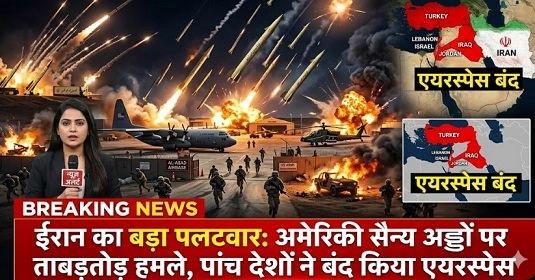
Iran has launched a significant counteroffensive, executing rapid assaults on American military bases in the region. This aggressive response comes amid escalating tensions and a series of geopolitical events that have heightened the conflict between Iran and the United States. The Iranian military’s swift actions reflect a strategic shift aimed at demonstrating their military capabilities and resolve in the face of perceived threats. The attacks have not only targeted U.S. installations but have also raised concerns among neighboring countries about the potential for wider regional instability.
In response to these developments, five countries have taken precautionary measures by closing their airspace to mitigate risks associated with the ongoing hostilities. This decision underscores the seriousness of the situation and highlights the potential for broader implications in the region. The closure of airspace indicates a strategic effort by these nations to protect their air traffic and citizens from the fallout of military engagements occurring nearby. The heightened security measures reflect a shared concern among regional actors regarding the potential for escalation and the need for diplomatic solutions to avoid further conflict.
As the situation evolves, the international community watches closely, apprehensive about the potential for a wider military confrontation. The Iranian counteroffensive is not just a military maneuver; it is also a message to the United States and its allies about Iran’s willingness to defend its interests aggressively. The dynamics of power in the region are shifting, and the responses from various nations will shape the future landscape of Middle Eastern geopolitics. The need for dialogue and negotiation has never been more urgent as stakeholders seek to de-escalate tensions and prevent a full-blown crisis.