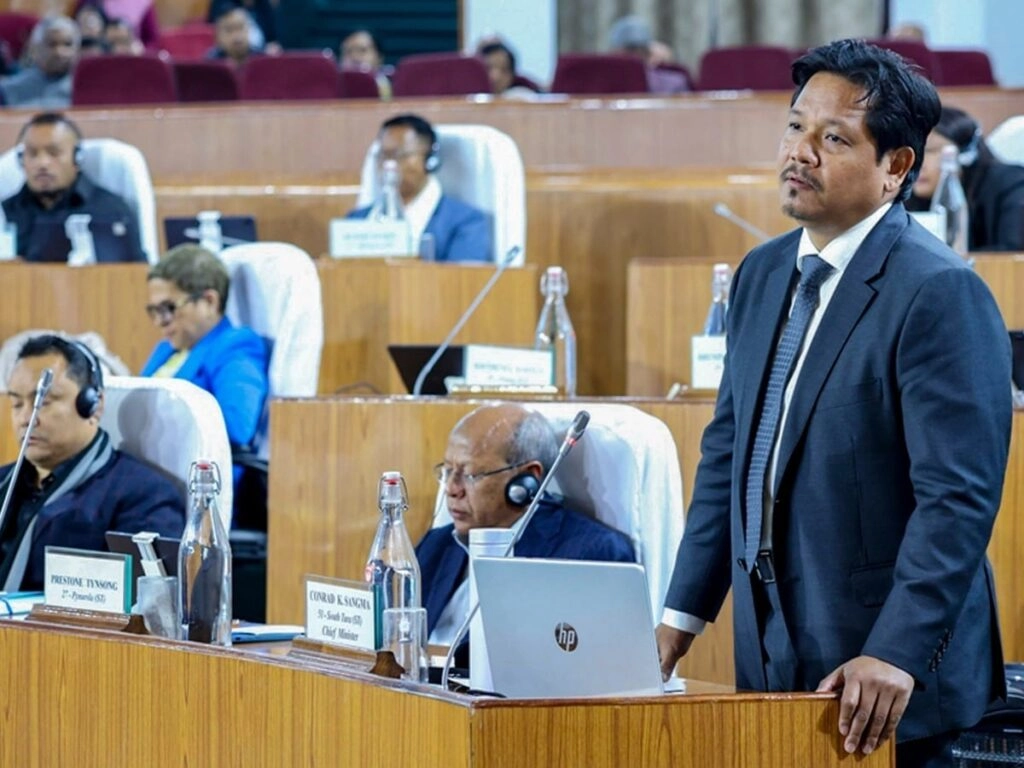
A peculiar incident unfolded during a recent assembly session when the wife of a Member of the Legislative Assembly (MLA) took the floor to raise questions regarding the Chief Minister’s husband. Her unexpected intervention drew attention and led to a lively exchange in the house. The atmosphere shifted dramatically as she began to inquire about the accountability and transparency concerning the development initiatives that had been promised by the government.
The MLA’s wife brought forth a series of pointed questions, challenging the status of various development projects and seeking clarity on the allocation of funds. Her inquiries were not merely rhetorical; they struck at the heart of public concern regarding governance and the effectiveness of current leadership. The assembly, typically a venue for political debate and legislative discussion, found itself in the midst of a personal and political drama that underscored the intersection of personal relationships and public responsibilities.
As her questions echoed through the assembly, some members responded with surprise, while others found her boldness refreshing. The Chief Minister’s husband, who had been largely in the background, suddenly became a focal point of scrutiny. This unusual turn of events highlighted not only the complexities of political dynamics but also the role that personal connections play in the realm of public service. The incident served as a reminder that accountability should extend to all individuals involved in governance, regardless of their official titles.
In the ensuing discussions, various assembly members weighed in, some supporting the questions raised by the MLA’s wife, while others sought to dismiss the inquiries as irrelevant or inappropriate. This division further fueled the debate about transparency in government and the need for open dialogue regarding development issues. The assembly session, originally intended for legislative purposes, transformed into a platform for broader discussions about integrity and the responsibilities of public officials, ultimately prompting calls for greater oversight and accountability in the administration of development projects.