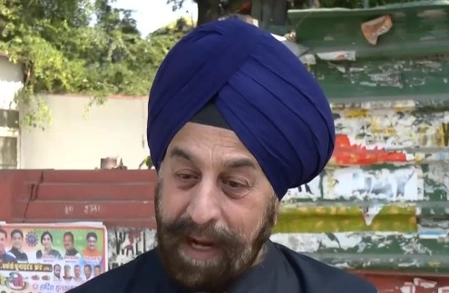
BJP leader RP Singh has made a controversial statement, asserting that the DNA of Umar Khalid and Rahul Gandhi is the same. This remark seems to suggest a deeper connection between the two figures, despite their differing political backgrounds. Umar Khalid is known as a prominent student leader and an outspoken critic of the government, particularly in the context of issues related to freedom of speech and civil rights. On the other hand, Rahul Gandhi is a senior leader of the Indian National Congress and has been a significant figure in Indian politics for many years.
Singh’s comments may reflect a broader narrative within certain political circles that seeks to associate opposition leaders with dissent and anti-national sentiments. By drawing a parallel between Khalid, who has faced legal challenges and allegations related to anti-CAA protests, and Gandhi, a mainstream politician, Singh appears to be attempting to diminish Gandhi’s political standing by linking him to Khalid’s controversial image. This strategy is not uncommon in political discourse, where opponents are often painted with the same brush to undermine their credibility.
The implications of such statements can be far-reaching, influencing public perception and the political landscape. In a country as diverse and politically charged as India, comparisons like these can galvanize support among certain voter bases while alienating others. Critics of Singh’s comments may argue that such rhetoric is divisive and does little to foster constructive political dialogue. Instead, it could further entrench divisions within society, particularly between different political ideologies and communities.
Ultimately, RP Singh’s assertion raises questions about the nature of political discourse in contemporary India. It highlights the challenges faced by political leaders in navigating complex relationships and narratives while appealing to their respective constituencies. As the political climate continues to evolve, the reactions to such statements will be crucial in shaping the future of political engagement in the country.