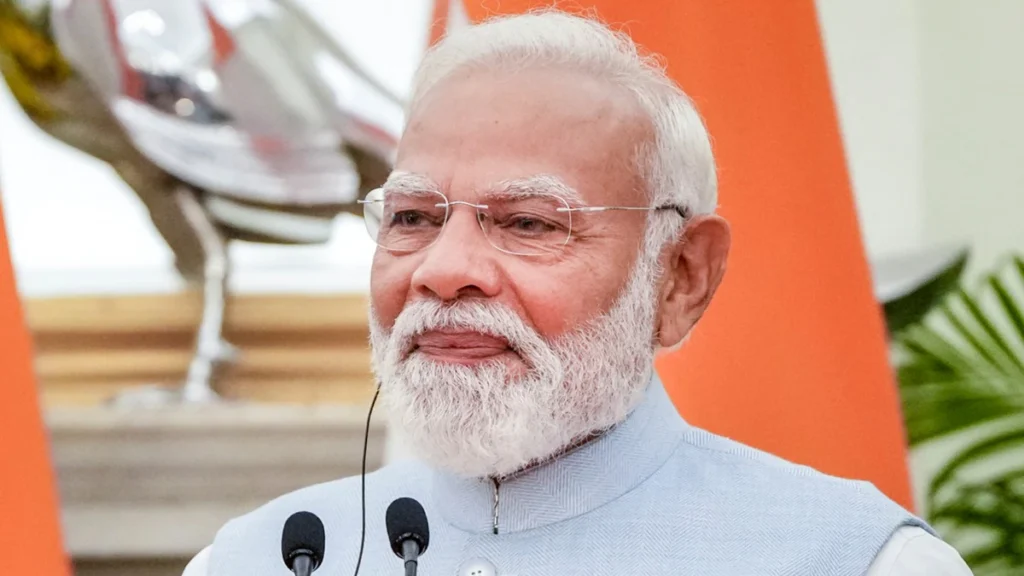
Prime Minister Narendra Modi has made history by becoming the first world leader to reach an impressive milestone of 100 million followers on Instagram. This achievement marks a significant moment not only for Modi himself but also for the use of social media in politics. In an era where digital platforms play a crucial role in communication and engagement, Modi’s success on Instagram underscores the power of social media in shaping public opinion and connecting leaders with citizens. His ability to attract such a large following reflects the effectiveness of his social media strategy and his appeal to a diverse audience.
Modi’s presence on Instagram goes beyond mere numbers; it illustrates his commitment to utilizing modern technology to disseminate information and engage with the public. Through his posts, he shares insights into his policies, initiatives, and personal experiences, fostering a sense of connection with his followers. The platform allows him to reach a younger demographic and engage with people in a more relatable manner, making political discourse more accessible and personal. This level of engagement is vital in today’s digital age, where traditional forms of communication may not resonate as strongly with the younger population.
Furthermore, reaching 100 million followers not only enhances Modi’s visibility on a global scale but also sets a benchmark for other political leaders aspiring to leverage social media effectively. It serves as an example of how leaders can harness digital platforms to build their brand, communicate their messages, and engage with citizens. As the world continues to evolve, the implications of such social media milestones will likely influence political strategies and communication methods in many countries. Modi’s achievement highlights the intersection of technology and politics, emphasizing the growing importance of social media in contemporary governance.