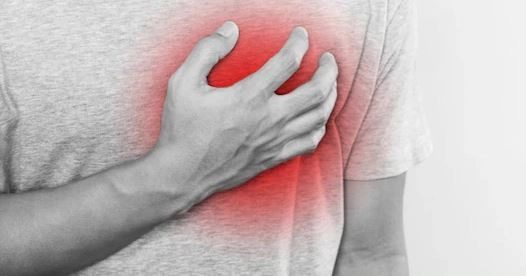
Heart attacks are often associated with classic symptoms such as chest pain, shortness of breath, and radiating discomfort in the arm or jaw. However, many individuals may experience less obvious signs that can be easily overlooked. These hidden symptoms can be particularly dangerous, as they might lead to delayed treatment and increase the risk of severe consequences. Recognizing these atypical symptoms is crucial for timely intervention and better outcomes.
One common yet understated symptom is fatigue. Many people may attribute overwhelming tiredness to stress or lack of sleep, but it can also be a warning sign of heart issues, especially in women. Additionally, unusual sweating—particularly if it occurs without any apparent reason—can indicate a heart attack. This symptom might be mistaken for a panic attack or simply overheating, but it’s essential to consider it within the context of other potential signs.
Another often-ignored symptom is indigestion or nausea. Some individuals might confuse these feelings with gastrointestinal issues or anxiety, dismissing them without further thought. However, these sensations can be indicative of a heart problem, especially if they occur alongside other symptoms like lightheadedness or back pain. It is vital to listen to your body and seek medical help if you experience these signs, as they could signify a serious cardiac event in the making.
In summary, while chest pain remains the most widely recognized symptom of a heart attack, hidden signs such as fatigue, excessive sweating, and gastrointestinal discomfort can also signal a potential emergency. Being aware of these atypical symptoms and acting promptly can make a significant difference in outcomes, emphasizing the need for education and awareness regarding heart health. If you or someone you know experiences these symptoms, it is crucial to seek medical attention immediately, as early intervention can save lives.