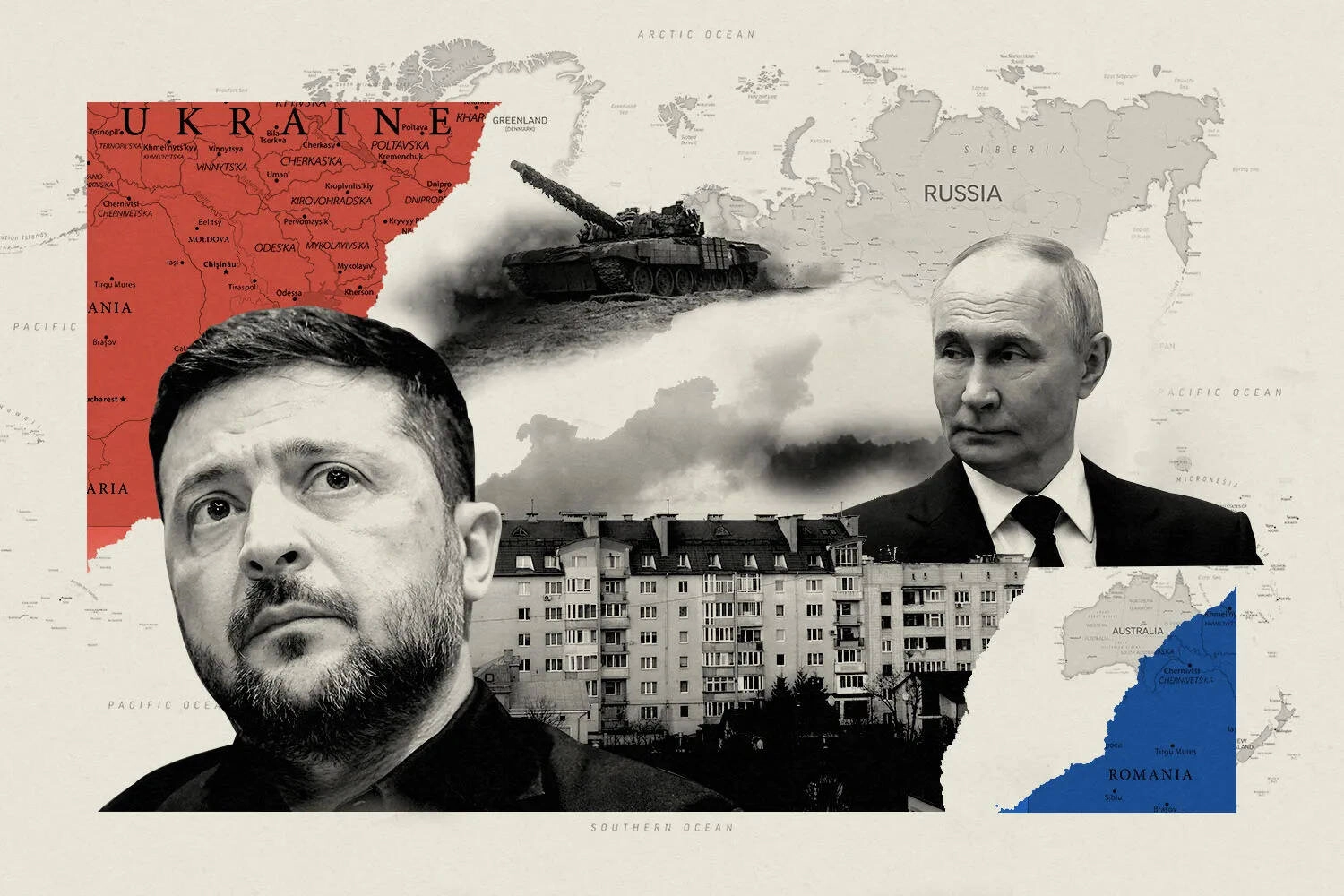
The Russia-Ukraine war has been a devastating conflict that has persisted for over four years, resulting in widespread violence and destruction. Thousands of lives have been lost as the fighting continues to escalate, leaving a profound impact on the people and cities involved. The statistics surrounding this war are staggering, revealing the true extent of the tragedy that has unfolded. Civilian casualties have mounted, with families torn apart and communities left in ruins. The war has not only claimed lives but has also led to the displacement of millions, forcing them to flee their homes in search of safety and stability.
Cities that once thrived with life and culture have been reduced to rubble, showcasing the brutal reality of modern warfare. Historical landmarks and infrastructure have been obliterated, leaving a scar on the landscape that may take generations to heal. The destruction of homes, schools, and hospitals has further exacerbated the humanitarian crisis, as survivors struggle to find basic necessities such as food, clean water, and medical care. The psychological toll on the population is immense, with many suffering from trauma and the lingering effects of violence.
As the world watches this conflict unfold, the need for peace and resolution becomes increasingly urgent. Efforts for diplomatic solutions are critical, yet they often seem overshadowed by the ongoing hostilities. The international community has rallied to provide support for those affected, but the scale of the crisis continues to challenge humanitarian efforts. The war in Ukraine stands as a grim reminder of the fragility of peace and the devastating consequences of armed conflict, urging us to reflect on the importance of dialogue and understanding in preventing such tragedies in the future.