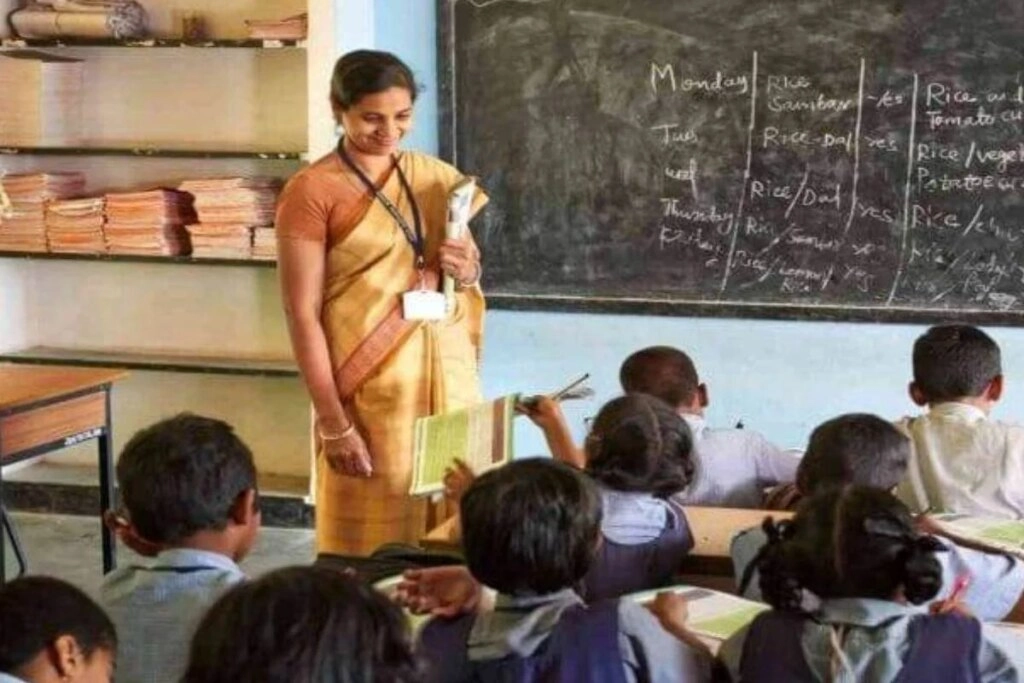
In a recent development in Jharkhand, the honorarium for para teachers has been reduced by Rs 6000, leading to concerns and discussions about the implications of this decision. Para teachers, who play a critical role in the education system, particularly in rural and underserved areas, have been pivotal in ensuring that quality education reaches every child. This reduction in their honorarium raises questions about the government’s commitment to supporting these essential educators.
The Advocate General (AG) has sought the opinion of the state government regarding this significant cut. This move indicates the seriousness of the situation, as the AG’s involvement suggests potential legal and administrative implications arising from this reduction. Para teachers, many of whom rely heavily on their honorarium for their livelihoods, are now faced with financial uncertainty, which could impact their ability to perform their duties effectively.
The decision to cut the honorarium may also have broader consequences for the education sector in Jharkhand. If para teachers are discontent with their compensation, it may lead to a decrease in morale and motivation, ultimately affecting the quality of education provided to students. Stakeholders, including parents and local communities, are likely to express their concerns over this situation, as the role of para teachers is crucial for the educational development of children in the state.
As discussions continue, it remains to be seen how the government will respond to the AG’s request for an opinion. There is a pressing need for the authorities to reevaluate the decision and consider the long-term effects it may have on education in Jharkhand. Ensuring that para teachers are adequately compensated is essential not only for their well-being but also for the stability and growth of the educational system as a whole.