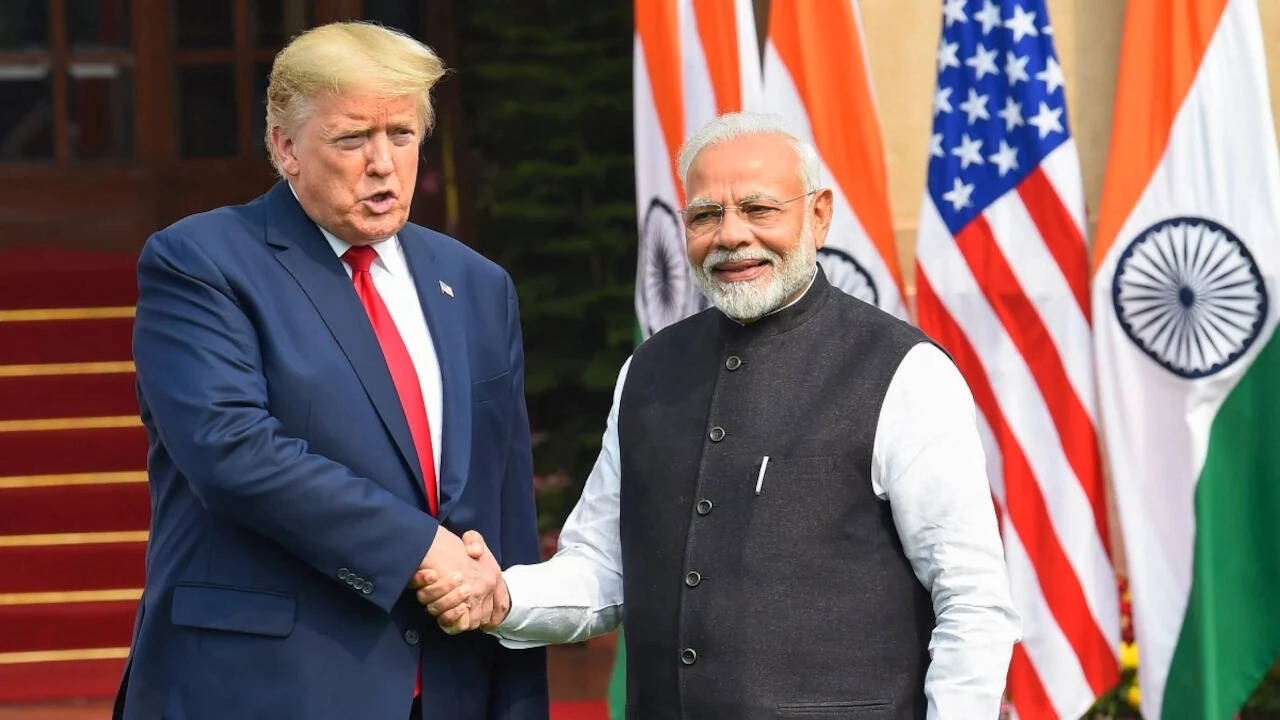
A new hurdle has emerged in the India-US trade deal negotiations, particularly following the recent decision by the Trump administration to halt tariffs on certain goods. This development has raised concerns about potential escalating trade tensions between the two countries. The initial optimism surrounding the trade agreement had offered hope for a more robust economic partnership, but this latest action could complicate matters significantly.
The Trump administration’s approach to tariffs has historically been a contentious issue in international trade relations. With the imposition of tariffs on various imports, the US aimed to protect its domestic industries and address trade imbalances. However, the suspension of these tariffs could signal a shift in policy, leading to heightened scrutiny and stricter regulations that could affect bilateral trade with India. Stakeholders on both sides are now left to wonder how these changes will impact their negotiations moving forward.
As India and the United States continue to navigate these complexities, the potential for increased commercial friction looms large. Businesses in both nations are closely monitoring the situation, as any alterations in tariff policies could directly affect their operations and profitability. Additionally, the geopolitical landscape plays a crucial role, and both countries must balance their economic interests with broader strategic considerations. The outcome of these discussions will be pivotal in determining the future of trade relations between India and the US, and whether they can find common ground amidst the challenges they face.