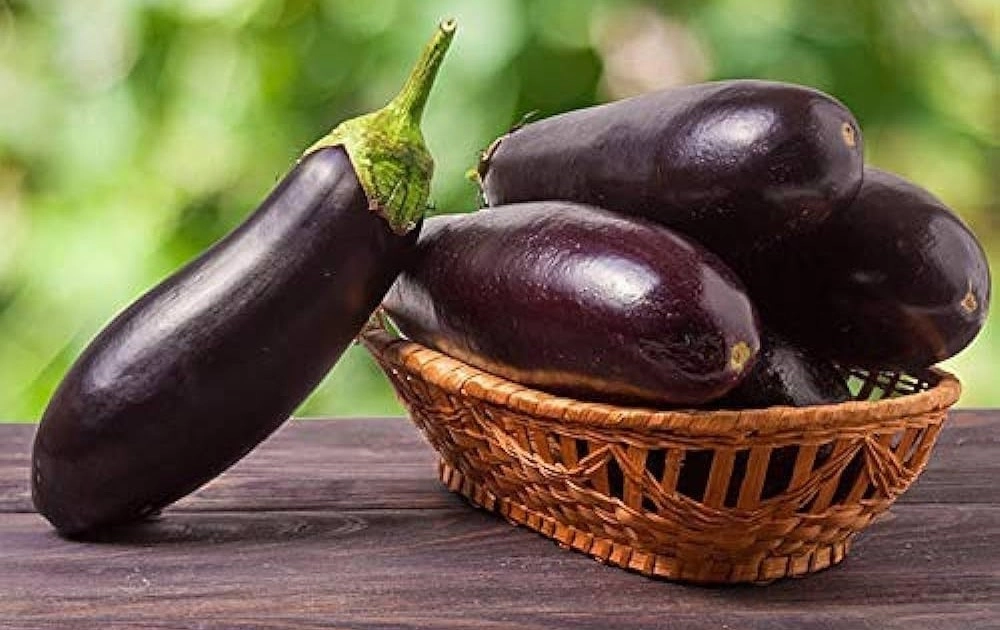
Brinjal, also known as eggplant, is a popular vegetable in many cuisines around the world. However, it is important to be aware that this seemingly harmless food can pose health risks for certain individuals. There are five specific groups of people who should avoid consuming brinjal to prevent adverse health effects.
Firstly, individuals who suffer from allergies to nightshade vegetables should steer clear of brinjal. This vegetable belongs to the nightshade family, which includes tomatoes, peppers, and potatoes. For those with allergies to these types of vegetables, consuming brinjal may trigger allergic reactions, which can range from mild symptoms like itching and hives to more severe reactions like difficulty breathing.
Secondly, people with specific gastrointestinal conditions, such as irritable bowel syndrome (IBS) or inflammatory bowel disease (IBD), may find that brinjal exacerbates their symptoms. The high fiber content in brinjal can lead to bloating, gas, and discomfort in sensitive individuals. It is advisable for those with such conditions to avoid brinjal or to consult a healthcare professional before including it in their diet.
Additionally, those who are prone to kidney stones should be cautious with brinjal. This vegetable contains oxalates, which can contribute to the formation of certain types of kidney stones. For individuals with a history of kidney stones, avoiding foods high in oxalates, including brinjal, is a prudent choice to help manage their condition.
Moreover, individuals taking certain medications, particularly those that affect blood sugar levels, should be cautious with brinjal. The vegetable can interact with medications, potentially altering their effectiveness or leading to unexpected side effects. It is best for these individuals to consult their healthcare provider to determine whether brinjal is safe for them to consume.
In conclusion, while brinjal is a nutritious and versatile vegetable for many, it is crucial for certain individuals to avoid it due to potential health risks. Allergic reactions, gastrointestinal issues, kidney stone formation, and medication interactions are all valid concerns that warrant caution. For those in these categories, it is advisable to explore alternative vegetables that can provide similar nutritional benefits without the associated risks.