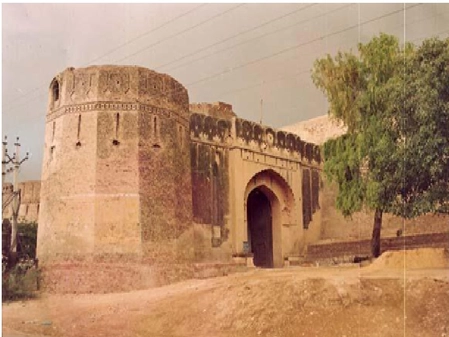
The history of the Bhitner Fort is a testament to the resilience and strength of the region, having withstood numerous invasions and changes in rule. From the time of the Rajputs to the Mughal period, this fort has played a significant role in the defense and governance of the area. Its strategic location and robust construction have made it a key military stronghold throughout the centuries.
The fort was initially built by the Rajputs, who were known for their valor and chivalry. Their reign marked a golden age for the fort, during which time it was expanded and fortified. However, as the Mughals rose to power, the fort witnessed a shift in control. Despite the change in leadership, the fort retained its importance and continued to serve as a vital defense against external threats. The architecture of the fort reflects the blend of Rajput and Mughal styles, showcasing the cultural amalgamation that occurred during these turbulent times.
Throughout its history, Bhitner Fort has not only been a military bastion but also a symbol of the region’s heritage. It has withstood several attacks and sieges, which attests to the ingenuity and craftsmanship of its builders. The fort’s walls have borne witness to countless battles, stories of bravery, and the ever-changing tides of power in the region. Even today, it stands tall as a reminder of the historical significance and the enduring spirit of the people who once inhabited it.
In summary, the Bhitner Fort is more than just a historical structure; it is a reflection of the resilience of the Rajputs and the adaptability of the region in the face of invasions. Its ability to withstand such challenges speaks volumes about the fort’s design and the rich history that it encapsulates, making it an essential part of India’s cultural legacy.