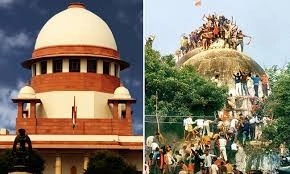
The Supreme Court has made a significant decision regarding the contentious issue of the Babri Masjid’s demolition by rejecting a petition that sought to reopen the matter for hearing. This ruling marks a crucial turning point in a long-standing and sensitive dispute that has captivated public attention and sparked widespread debate in India for decades. The court’s decision effectively closes the door on any further legal challenges related to the demolition, which occurred in December 1992 and has since been a focal point of religious and political tensions in the country.
The rejection of the petition signifies the Supreme Court’s stance on maintaining the finality of its earlier judgments regarding the Babri Masjid and the site where it once stood. This landmark case has been the subject of extensive legal scrutiny and societal implications, intertwining themes of religion, history, and national identity. With the court’s latest ruling, it becomes clear that the legal avenues for contesting the demolition have been exhausted, leaving many to reflect on the broader implications for communal harmony and justice in India.
Furthermore, this decision by the Supreme Court highlights the institution’s role in navigating complex issues that resonate deeply within the fabric of Indian society. The ramifications of this ruling extend beyond the immediate legal context and touch upon the sentiments of various communities affected by the events surrounding the Babri Masjid. As the country moves forward, the focus will likely shift towards healing divides and fostering a sense of unity amid diverse beliefs and historical narratives.