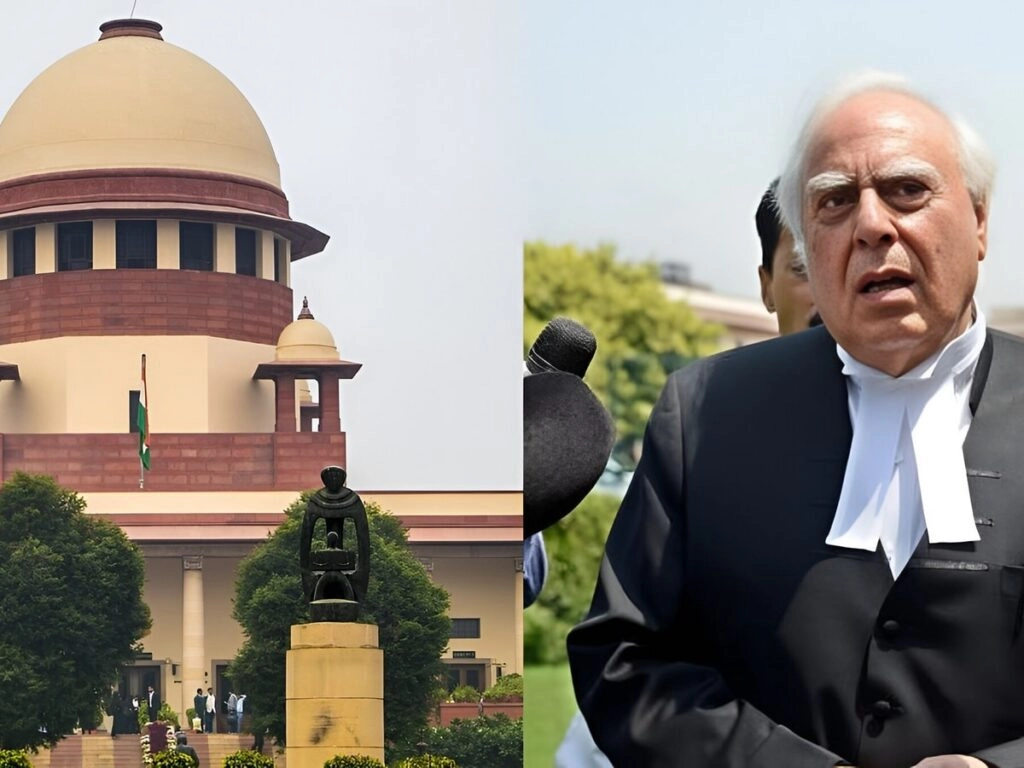
The Supreme Court has recently expressed its concerns regarding a hate speech petition filed by senior advocate Kapil Sibal. During the proceedings, the Court questioned the rationale behind targeting a single political party in the context of allegations of hate speech. This inquiry reflects a broader concern about the impartiality and fairness of such legal actions. The Court’s reprimand emphasizes the importance of addressing hate speech in a manner that encompasses all parties involved, rather than singling out one group for scrutiny.
Justice in the realm of hate speech must be approached with a balanced perspective. Focusing exclusively on one political entity raises questions about the intentions behind the petition and the potential for political bias. The Supreme Court’s intervention serves as a reminder that hate speech is a societal issue that transcends party lines; it can manifest in various forms across different platforms and should be addressed universally. By suggesting that all parties be held accountable for their speech, the Court is advocating for a more equitable approach to justice and the need for comprehensive measures to combat hate speech.
This situation underscores the challenges faced by legal systems in navigating political sensitivities while upholding the principles of justice. The Supreme Court’s stance not only aims to protect democratic values but also seeks to foster a more constructive dialogue surrounding the issue of hate speech. Ultimately, the Court’s scrutiny of Sibal’s petition may serve to inspire a more holistic examination of hate speech, encouraging a broader societal engagement that includes diverse voices and perspectives. Such an approach is essential for fostering a more inclusive and respectful public discourse.