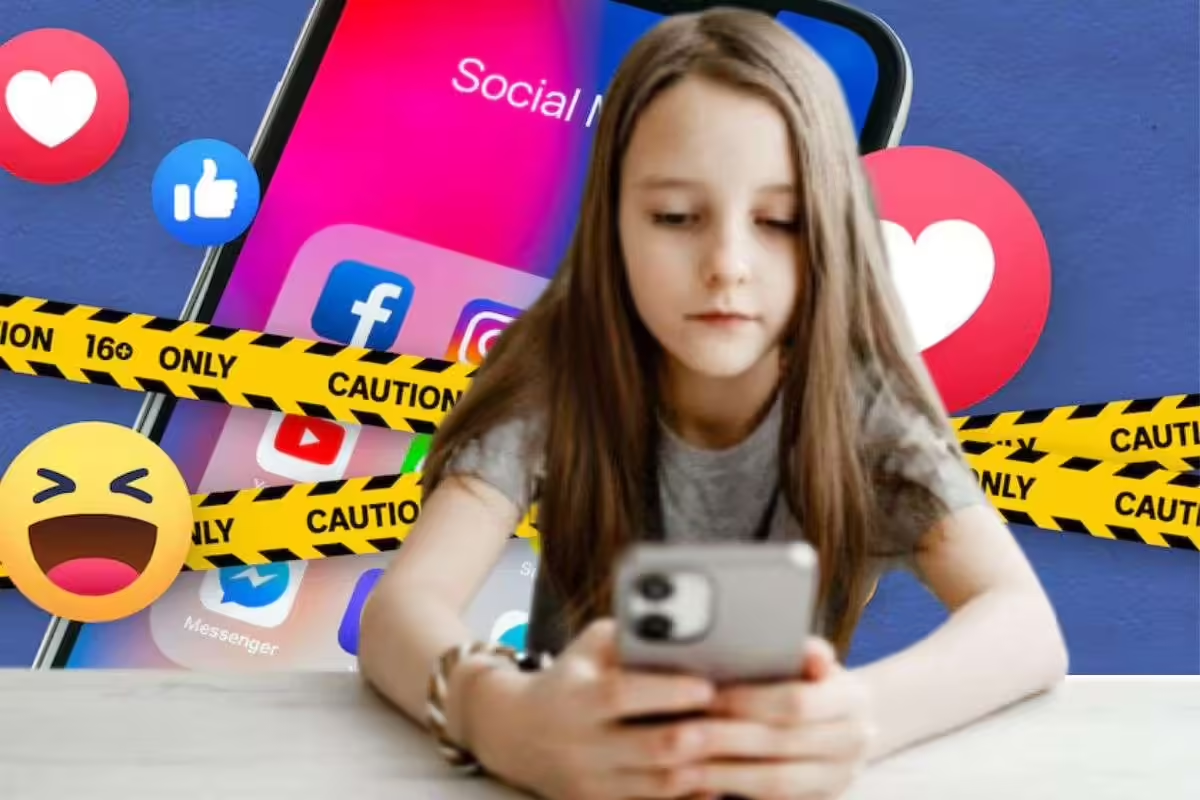
India is preparing to impose restrictions on social media usage, particularly targeting platforms like Instagram and Facebook. The government is considering measures that could potentially limit access for children, raising questions about the implications of such regulations. This move is part of a broader initiative to create a safer online environment for minors, addressing concerns over cyberbullying, exposure to inappropriate content, and the mental health effects of excessive social media usage.
The proposed restrictions are likely to require users to verify their age before accessing these platforms. This could mean that children may no longer be able to freely use popular social media apps without parental consent or oversight. While the intention behind this initiative is to protect young users, it also stirs a debate about digital rights, privacy, and the role of parents and guardians in monitoring online activities. Critics argue that such regulations may infringe on personal freedoms and could lead to unintended consequences, such as children finding alternative, unregulated platforms.
Moreover, the potential implementation of these restrictions highlights the ongoing struggle between technology and regulation. As social media continues to evolve, so do the challenges associated with its usage. It is essential for policymakers to strike a balance between safeguarding children and allowing them the freedom to engage with digital platforms. The discussion surrounding these regulations will likely continue as stakeholders, including parents, educators, and technology companies, weigh in on the effectiveness and necessity of such measures.