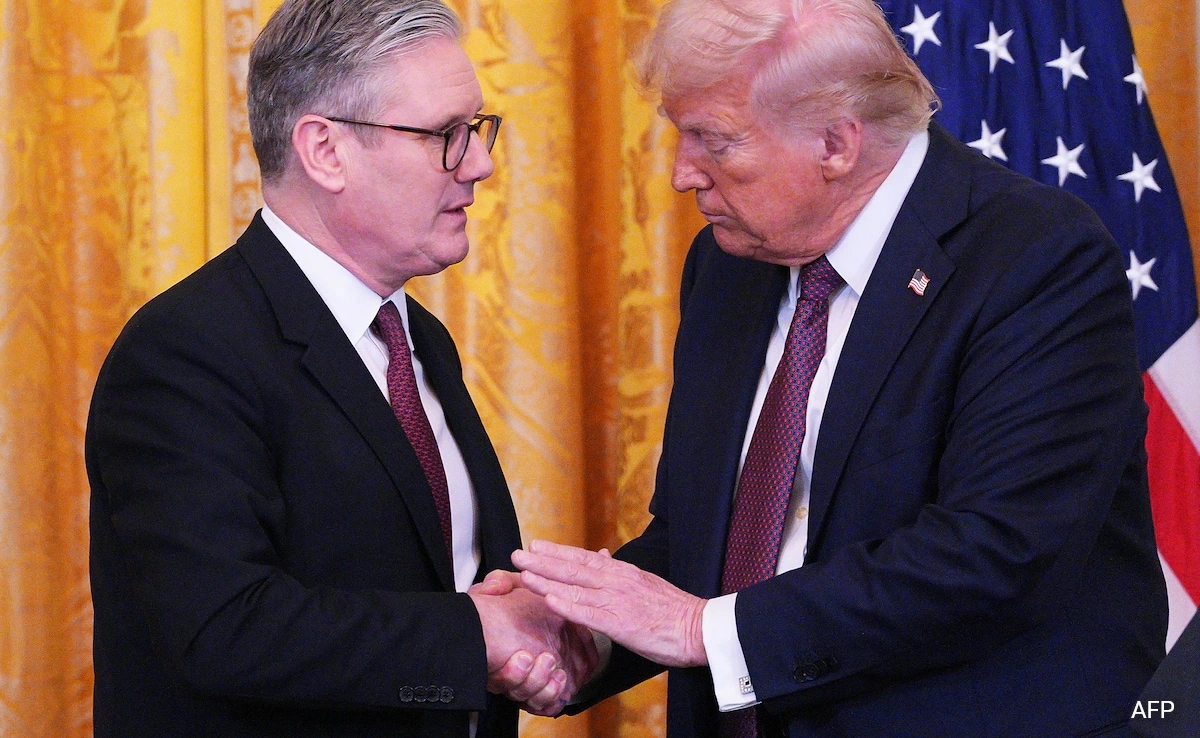
In a significant political development, the UK Prime Minister is reportedly set to acknowledge the failures of globalisation, particularly in light of the ongoing trade tensions exacerbated by former President Donald Trump’s tariff policies. This admission signals a shift in the government’s narrative regarding international trade dynamics, as leaders worldwide grapple with the complexities of an interconnected global economy. The Prime Minister’s forthcoming remarks are expected to resonate with many who have felt the adverse effects of globalisation, including job losses in traditional industries and the widening economic disparity that has emerged in recent years.
The consequences of Trump’s tariff war, which aimed to protect American industries by imposing heavy tariffs on imports, have had far-reaching implications beyond the United States. Countries around the globe have experienced disruptions in their supply chains and increased costs of goods, leading to inflationary pressures and economic uncertainty. The UK is no exception, as businesses and consumers alike have felt the burden of these global trade conflicts. The Prime Minister’s acknowledgment of these issues highlights a growing recognition among world leaders that the benefits of globalisation have not been evenly distributed, and that the model itself may require a fundamental reassessment.
As the UK navigates its post-Brexit landscape, the Prime Minister’s statements could pave the way for a new approach to trade and economic policy. By outlining the shortcomings of globalisation, the government may seek to foster a more equitable economic framework that prioritizes local industries and job creation. This shift could resonate with voters who are increasingly skeptical of unfettered free trade and demand more robust protections for domestic workers. Furthermore, the Prime Minister’s candid admission could prompt a broader dialogue about the need for reform in international trade agreements, emphasizing fairness and sustainability over mere economic growth.
Ultimately, this forthcoming acknowledgment from the UK Prime Minister may serve as a crucial moment in redefining the narrative around globalisation and its impact on national economies. It reflects a growing consensus that while global trade has its benefits, it is imperative to address the inequalities and vulnerabilities that have emerged in its wake. As the world continues to grapple with the repercussions of tariff wars and shifting economic policies, leaders must find a balance that promotes both global cooperation and local prosperity. This delicate balancing act will be essential for fostering a more resilient and equitable global economy moving forward.