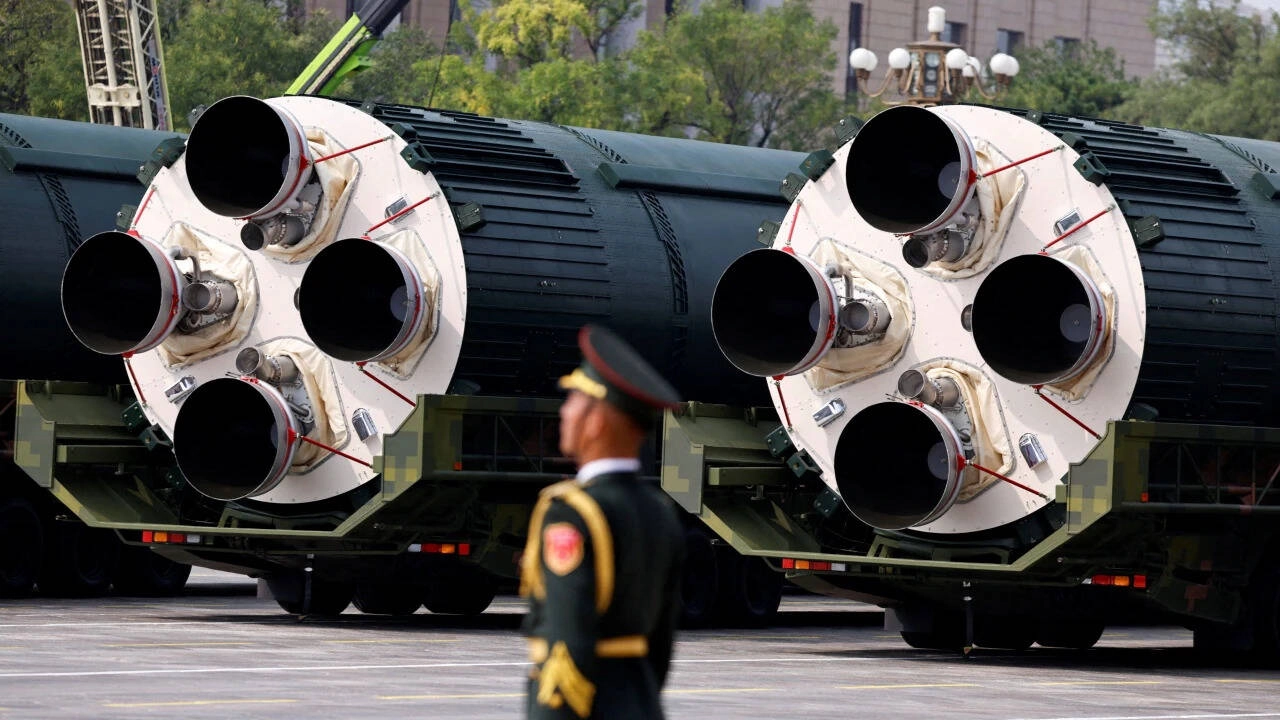
China’s nuclear capabilities are projected to potentially double by the year 2030, raising significant concerns in the region and beyond. This alarming increase in nuclear armament comes amid ongoing geopolitical tensions and strategic military developments. Notably, the situation is particularly concerning for neighboring countries, with Arunachal Pradesh, located approximately 800 kilometers from China, standing at the forefront of these developments. The proximity of this region to China’s expanding military capabilities has prompted a variety of responses from local and international stakeholders.
Intelligence reports suggest that China is actively engaging in strategic planning to enhance its nuclear arsenal. This includes not only the development of more advanced nuclear warheads but also improvements in delivery systems, such as intercontinental ballistic missiles (ICBMs) and submarine-launched ballistic missiles (SLBMs). The implications of such advancements are profound, as they could shift the balance of power in the Asia-Pacific region, prompting neighboring nations to reassess their own defense strategies.
In light of these developments, it is crucial for India and other countries in the vicinity to remain vigilant and proactive. Diplomatic engagement, intelligence sharing, and strengthening defense collaborations will be vital in addressing the challenges posed by China’s growing nuclear capabilities. Furthermore, international dialogues focused on nuclear disarmament and non-proliferation must be reinforced to ensure that the threat of nuclear escalation is mitigated. The situation remains fluid, and the coming years will be critical in determining the trajectory of nuclear dynamics in the region.