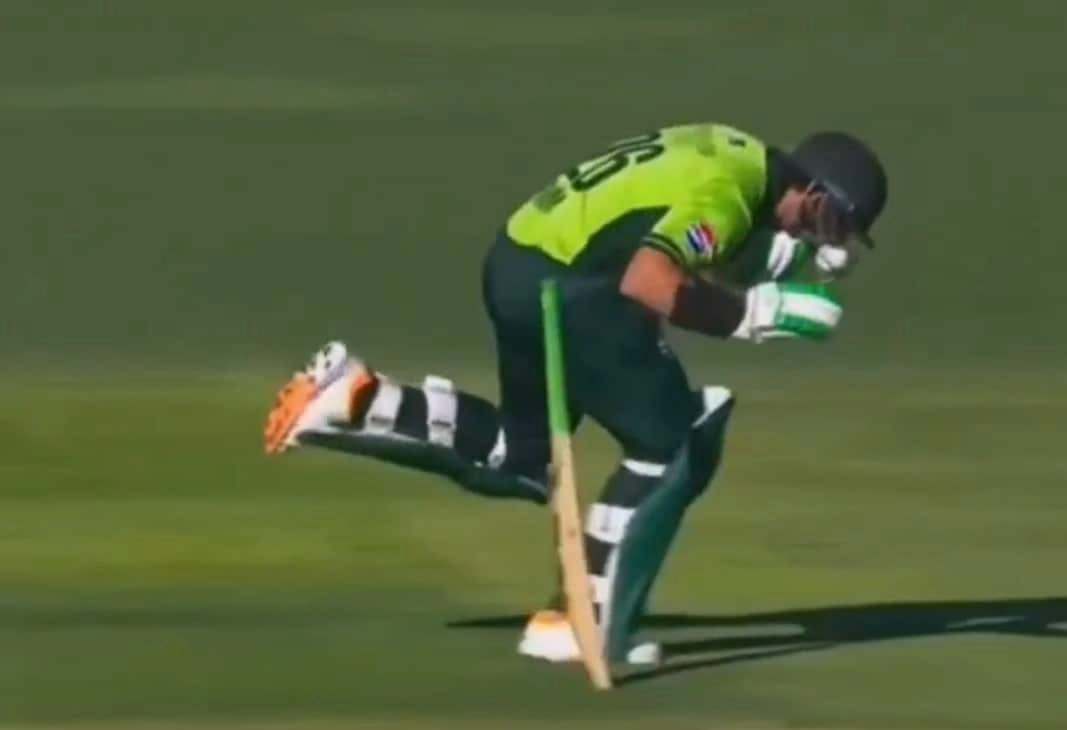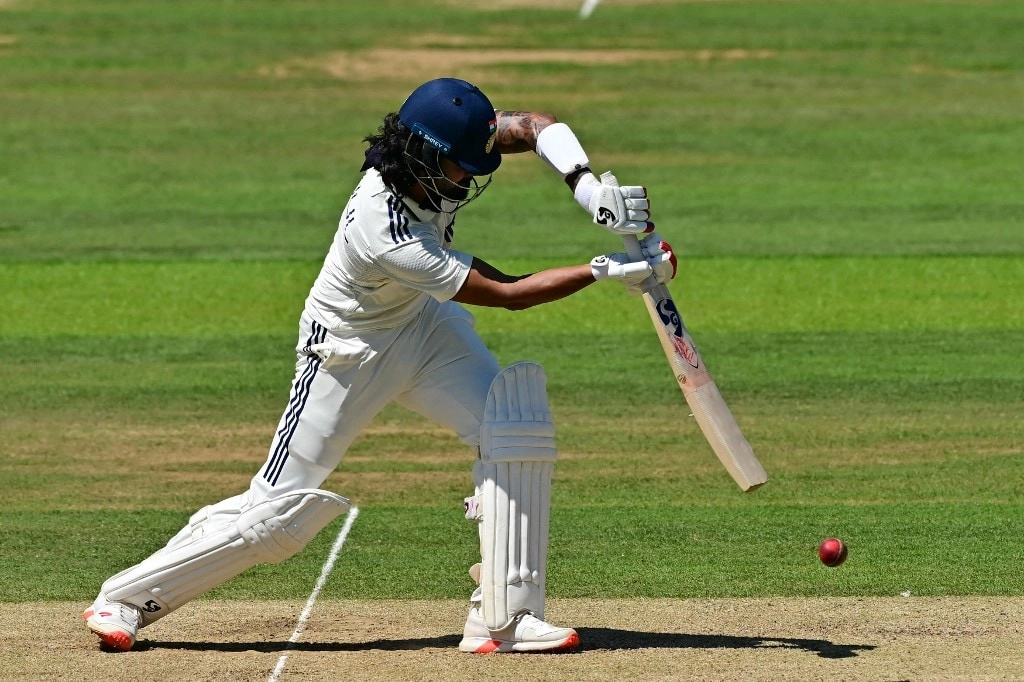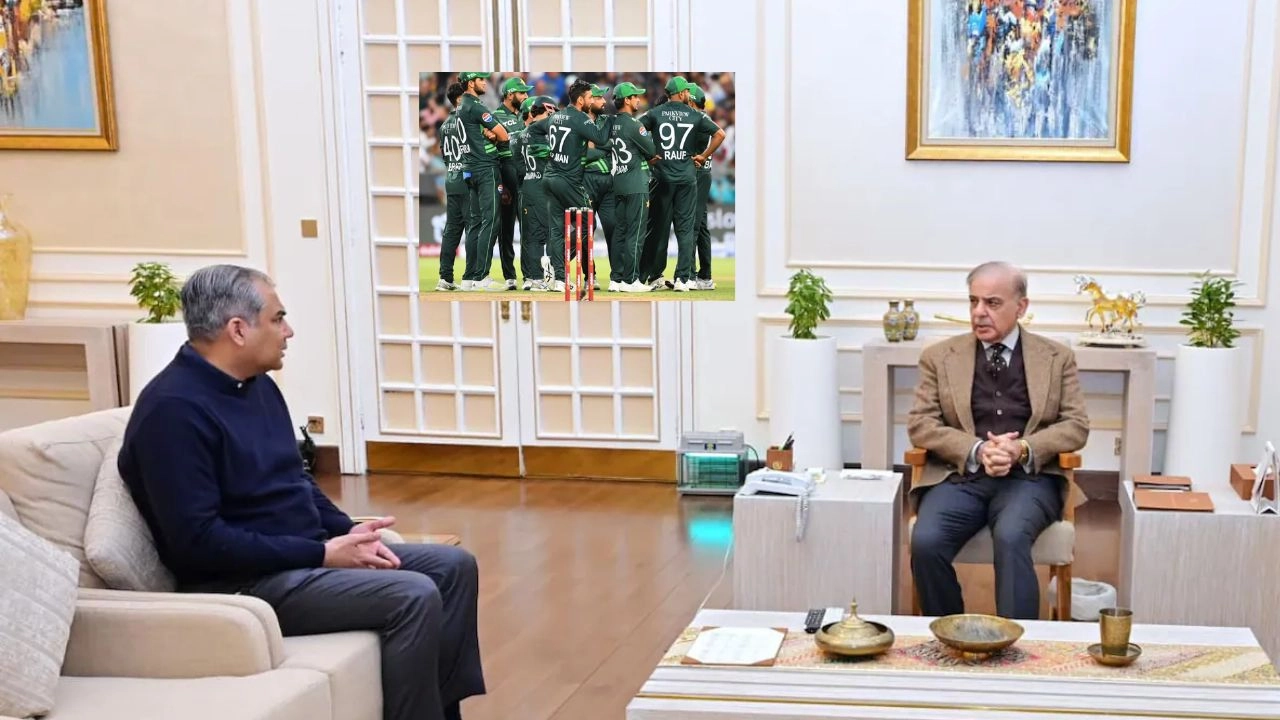
In a highly charged atmosphere following Pakistan’s disappointing performance in the T20 World Cup 2026, tensions reached a boiling point between key political figures. Mohsin Naqvi, the caretaker Chief Minister of Punjab, found himself at the center of a political maelstrom as he faced criticism for the national team’s lackluster showing. The defeat to arch-rival India not only stung the players and fans but also ignited a passionate response from the political elite, including Prime Minister Asim Munir. The ramifications of the loss extended beyond the cricket field, as it became a focal point for discussions about national pride, governance, and accountability.
In the wake of the match, Asim Munir’s frustration was palpable, and his public remarks reflected a government grappling with the implications of the loss. The Prime Minister’s fiery comments underscored the disappointment felt across the nation and highlighted the need for introspection within the cricketing community and the administration itself. The humiliation against India, long regarded as Pakistan’s fiercest rival in the sport, served as a stark reminder of the challenges facing the national team and, by extension, the leadership in addressing these issues.
Mohsin Naqvi’s position became particularly precarious as he attempted to navigate the political fallout from the cricketing defeat. With mounting pressure from various quarters, including opposition parties and cricketing authorities, the caretaker Chief Minister was compelled to respond to the growing discontent among the populace. The situation escalated to the point where political discourse was overshadowed by the emotional responses of fans who felt betrayed by their team’s performance on such a significant stage. In a country where cricket is more than just a sport but a source of national pride, the implications of this defeat resonated deeply with the public.
As discussions unfolded in the media and political arenas, it became clear that the repercussions of the T20 World Cup loss went beyond a single match. The event served as a catalyst for broader conversations about the direction of Pakistani cricket, the responsibilities of leadership, and the importance of fostering a culture of accountability. In the weeks that followed, calls for reform in cricket administration grew louder, emphasizing the need for a comprehensive strategy to revitalize the sport and restore confidence among fans. The emotional aftermath of the defeat undoubtedly reignited a sense of urgency within Pakistan’s cricketing framework, pushing both players and officials to reevaluate their approaches in hopes of achieving future success on the international stage.