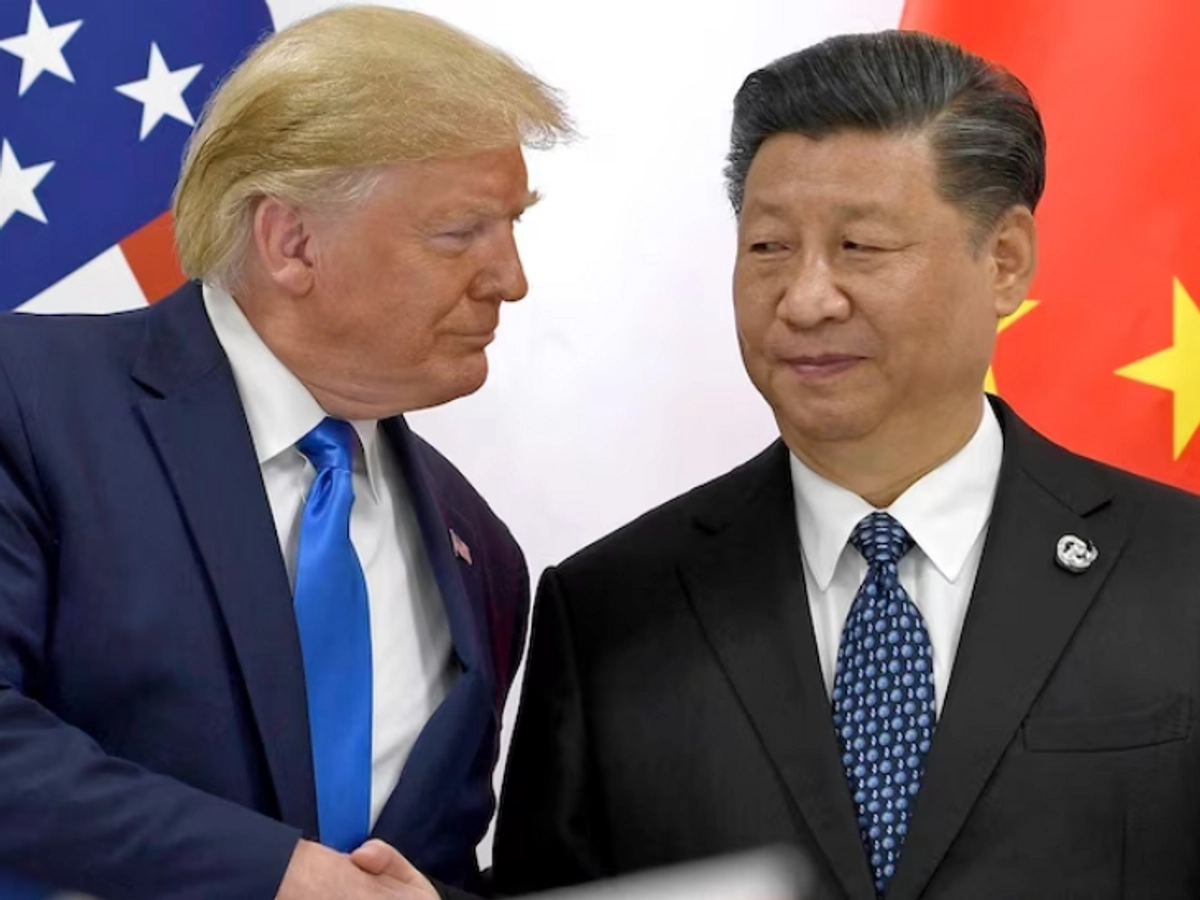
The United States is preparing to counter China’s influence through strategic initiatives, including leveraging the strengths of the Five Eyes alliance. This alliance, which comprises five nations – the United States, Canada, the United Kingdom, Australia, and New Zealand – represents one of the most robust intelligence-sharing networks in the world. The collaboration among these countries spans various domains, including security, defense, and technology, focusing on mutual interests and collective security in the face of global challenges.
The Five Eyes alliance emerged during World War II and has since evolved into a significant cooperative framework for intelligence gathering and sharing. In the context of rising geopolitical tensions, particularly with China, this alliance aims to enhance its capabilities to monitor and respond to threats in areas such as cybersecurity, espionage, and regional stability. By coordinating their efforts, the member nations can effectively counteract China’s growing assertiveness in the Indo-Pacific region and beyond.
One of the key strategies involves not only intelligence sharing but also economic collaboration to diminish reliance on Chinese technology and supply chains. The United States and its allies are promoting alternatives to Chinese products, particularly in critical sectors like telecommunications and semiconductors. This strategic economic decoupling aims to build resilience against potential disruptions and foster a more secure technological environment. Through these collaborative efforts, the Five Eyes alliance seeks to strengthen its position on the global stage and ensure a unified response to the challenges posed by China’s expanding influence.
In conclusion, the Five Eyes alliance is poised to play a crucial role in the United States’ strategy to counter China, focusing on intelligence, security, and economic cooperation. As the global landscape continues to shift, the importance of such alliances becomes increasingly evident, emphasizing the need for collaboration among democratic nations to safeguard their interests and maintain stability in a rapidly evolving world.