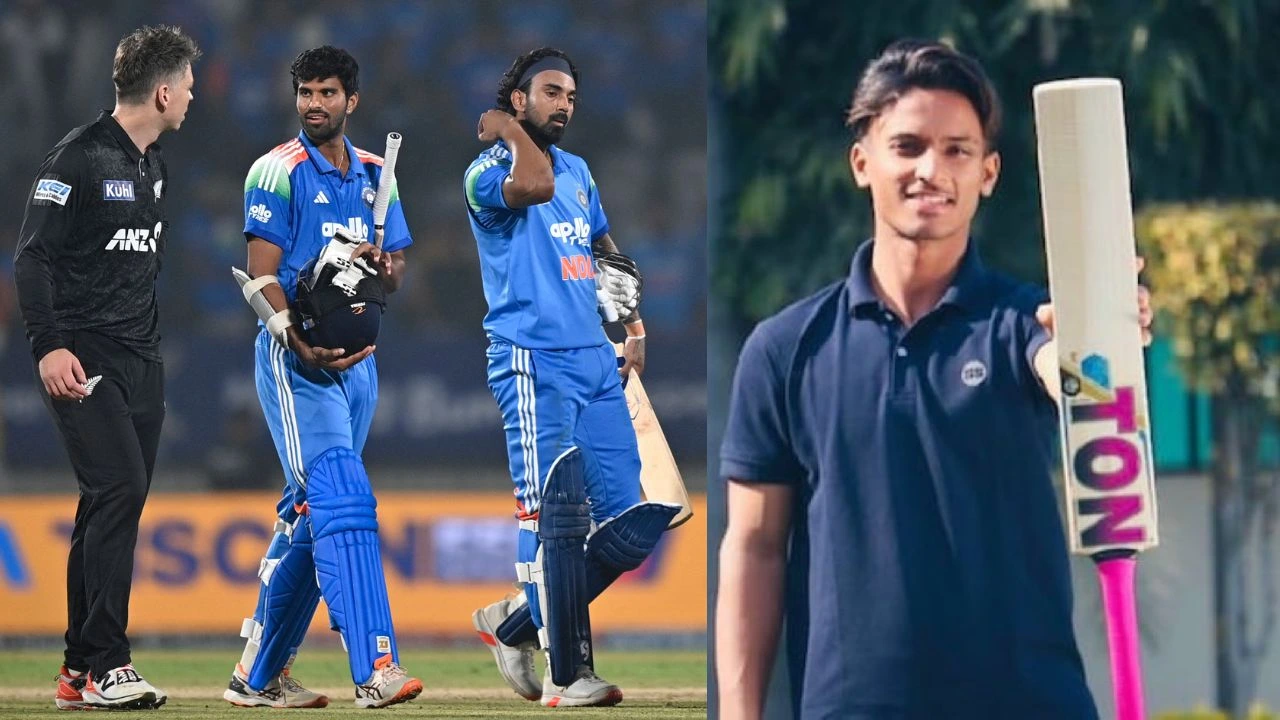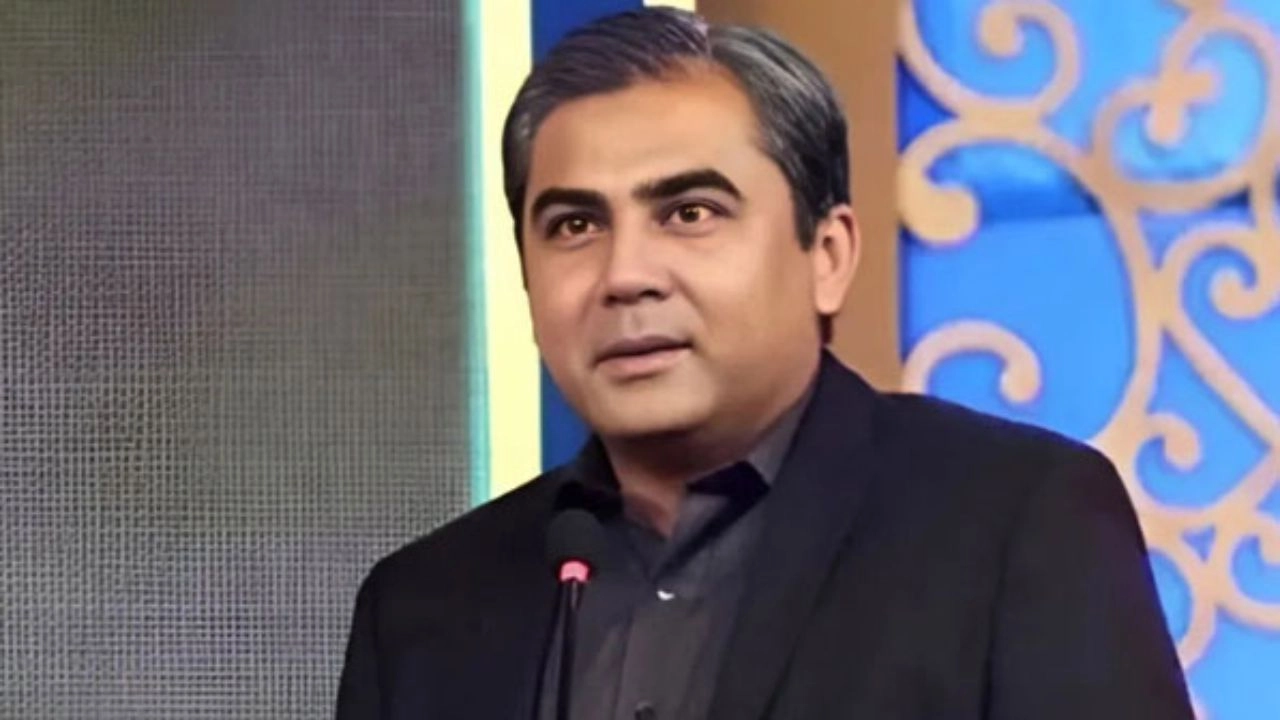
Mohsin Naqvi has made headlines recently for his controversial decision to boycott the highly anticipated cricket match between India and Pakistan during the T20 World Cup. This decision has sparked a significant debate among fans and analysts alike, given the intense rivalry and the historical significance of these matches in the cricketing world. By choosing to step back from this marquee event, Naqvi has raised questions about his commitment to supporting his national team and the players who have dedicated their lives to the sport.
The T20 World Cup is an opportunity for players to showcase their talents on an international stage, and the India-Pakistan match is often regarded as one of the most thrilling encounters in cricket. Fans from both nations eagerly await this clash, not just for the game itself but also for the passion and pride it represents. Naqvi’s decision to boycott the match has left many wondering about the implications for the players, who may feel abandoned during a crucial moment in their careers. This situation highlights the delicate balance between personal beliefs and the responsibilities that come with leadership roles.
Critics argue that Naqvi’s actions could lead to a feeling of disillusionment among players who are striving for excellence in a competitive environment. The T20 format has been instrumental in bringing a fresh audience to the sport, and matches like India vs. Pakistan are pivotal in promoting cricket’s global appeal. By withdrawing support, Naqvi risks alienating fans and undermining the efforts of athletes who represent their countries with honor and pride. The decision to boycott the match not only raises questions about Naqvi’s priorities but also challenges the unity that sports can inspire among nations, especially in a time when camaraderie is essential.
As discussions continue around his boycott, the broader implications for cricket and sportsmanship come into focus. Mohsin Naqvi’s choice serves as a reminder of the impact that leadership decisions can have on the morale of players and fans alike. In a sport that often transcends politics and cultural divides, it is crucial for leaders to consider the consequences of their actions on the global stage. Ultimately, the India-Pakistan match is more than just a game; it is a symbol of rivalry, resilience, and the unifying power of sports, making Naqvi’s boycott a topic of significant concern for many within the cricketing community.