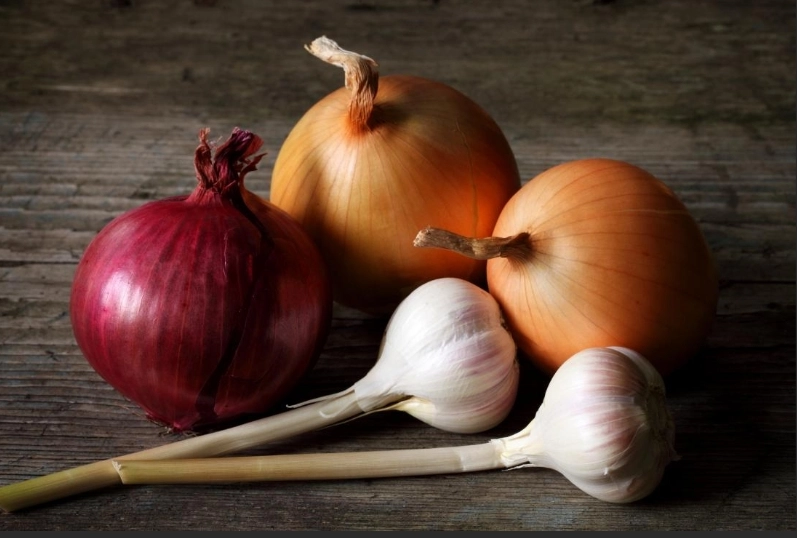
Quitting onion and garlic can have a range of effects on your body and overall health, and understanding these effects can help you make informed dietary choices. Both onion and garlic are widely celebrated for their numerous health benefits, including their ability to boost the immune system, improve heart health, and possess anti-inflammatory properties. However, some individuals may choose to eliminate these ingredients from their diets for various reasons, including personal preferences, dietary restrictions, or adverse reactions.
If one decides to avoid onion and garlic for a month, they may notice several changes in their body. Initially, the absence of these ingredients could lead to a reduction in certain flavors and aromas in meals, as both onion and garlic are key flavor enhancers in many cuisines. However, after a period of adjustment, individuals might find that they develop a new appreciation for different spices and herbs, which can diversify their culinary experiences.
From a health perspective, some people report improvements in digestive comfort after eliminating onion and garlic, especially those who are sensitive to FODMAPs, which are certain types of carbohydrates that can cause bloating and discomfort. Additionally, avoiding these foods may benefit individuals with certain medical conditions, such as acid reflux or irritable bowel syndrome. On the other hand, it is important to note that by removing onion and garlic from the diet, one may also be missing out on valuable nutrients and compounds that contribute to overall health.
In conclusion, while quitting onion and garlic can lead to both positive and negative effects, it’s essential to approach dietary changes thoughtfully. Monitoring one’s body and health during this month-long experiment can provide insights into personal dietary needs and preferences. Ultimately, whether one chooses to reintroduce these foods or maintain their absence, understanding the implications can help in making choices that align with individual health goals.