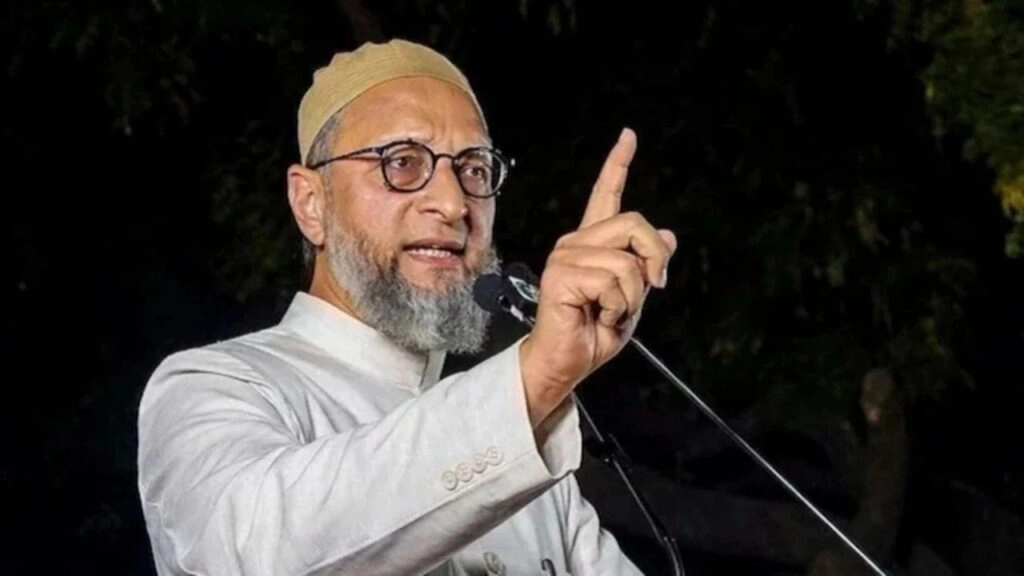
In a recent exchange that has captured public attention, Owaisi directed a pointed question at Assam Chief Minister Himanta Biswa Sarma, challenging him on the integrity of his actions. Owaisi’s inquiry, “If you were honest, then why did you delete the video?” reflects a growing concern regarding transparency and accountability in political leadership. This confrontation highlights the increasing scrutiny that political figures face in the digital age, where actions and statements can be quickly disseminated and analyzed by the public.
The incident stems from a video that was reportedly removed by the Assam Chief Minister, raising suspicions about the motives behind its deletion. Owaisi’s questioning not only seeks to hold Sarma accountable but also serves as a broader commentary on the importance of honesty in governance. In an era where misinformation can spread rapidly, the expectation for political leaders is to maintain clear and open communication with the public. The deletion of content that might contradict official narratives can lead to distrust among constituents, further complicating the relationship between politicians and the electorate.
The exchange between Owaisi and Sarma underscores a vital aspect of democratic discourse—openness to criticism and the willingness to engage in dialogue regarding controversial actions. In a political landscape often marred by accusations and counter-accusations, such interactions are crucial for fostering a culture of accountability. As citizens become more engaged and informed, they demand greater transparency from their leaders. Owaisi’s remarks serve not only as a challenge to Sarma but also as a reminder of the responsibilities that come with public office, particularly in maintaining trust with the people they serve.
In the wake of this confrontation, it remains to be seen how Sarma will respond to Owaisi’s allegations and whether this incident will lead to a broader discussion on the role of social media and digital communication in politics. The expectations for political integrity are higher than ever, and leaders are increasingly held to account for their actions in the digital realm. As the discourse around political honesty continues, it is essential for leaders to navigate these challenges with transparency, as their responses will shape public perception and trust in governance.