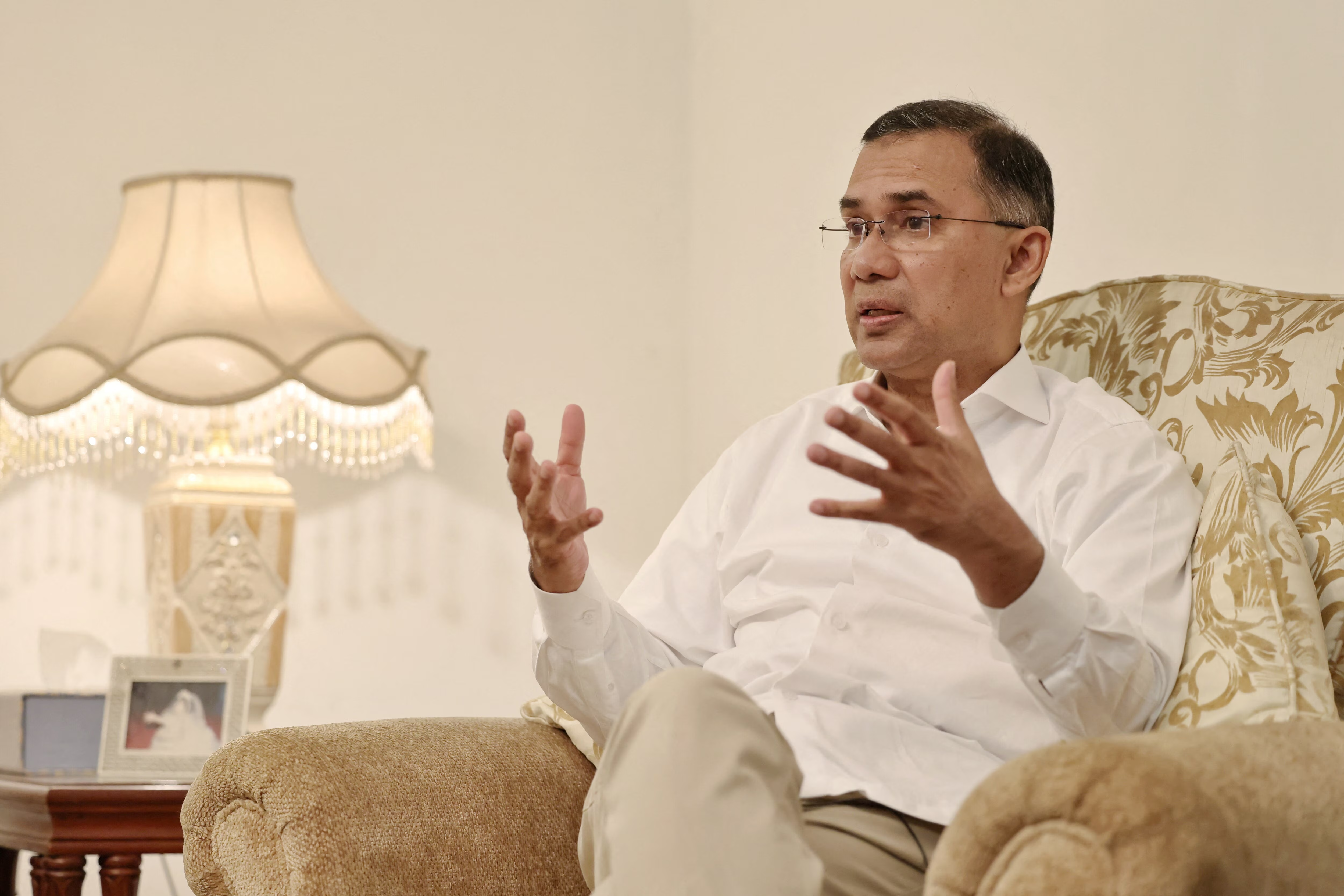
Tariq Rahman’s coronation marks a significant moment in Bangladesh’s political landscape. Following the formation of the new government, the country is witnessing a series of important events, including the swearing-in of MPs. This transition period is crucial as it sets the tone for the governance and policies that will shape the future of Bangladesh. The new administration is expected to address several pressing issues, including economic development, social justice, and infrastructure improvements, while also tackling challenges such as corruption and political unrest.
The swearing-in ceremony of the Members of Parliament is a symbolic gesture that reinforces the democratic process in the country. It serves as a reminder of the responsibilities that elected officials have towards their constituents and the importance of accountability in governance. As Tariq Rahman takes on his new role, the expectations from the public are high, and the pressure to deliver effective governance will be immense. The formation of the government and the subsequent oath-taking of MPs can also be seen as a reflection of the broader electoral dynamics and public sentiment in Bangladesh.
In the coming weeks, the focus will shift towards the new government’s agenda and how it plans to implement its policies. With a commitment to transparency and citizen engagement, the administration has an opportunity to foster trust and collaboration with the public. The political atmosphere will be closely monitored as the new leaders navigate the complexities of governance in a rapidly changing environment. The coronation of Tariq Rahman, therefore, is not just a ceremonial event but a pivotal point that could influence the trajectory of Bangladesh’s democracy and development in the years to come.