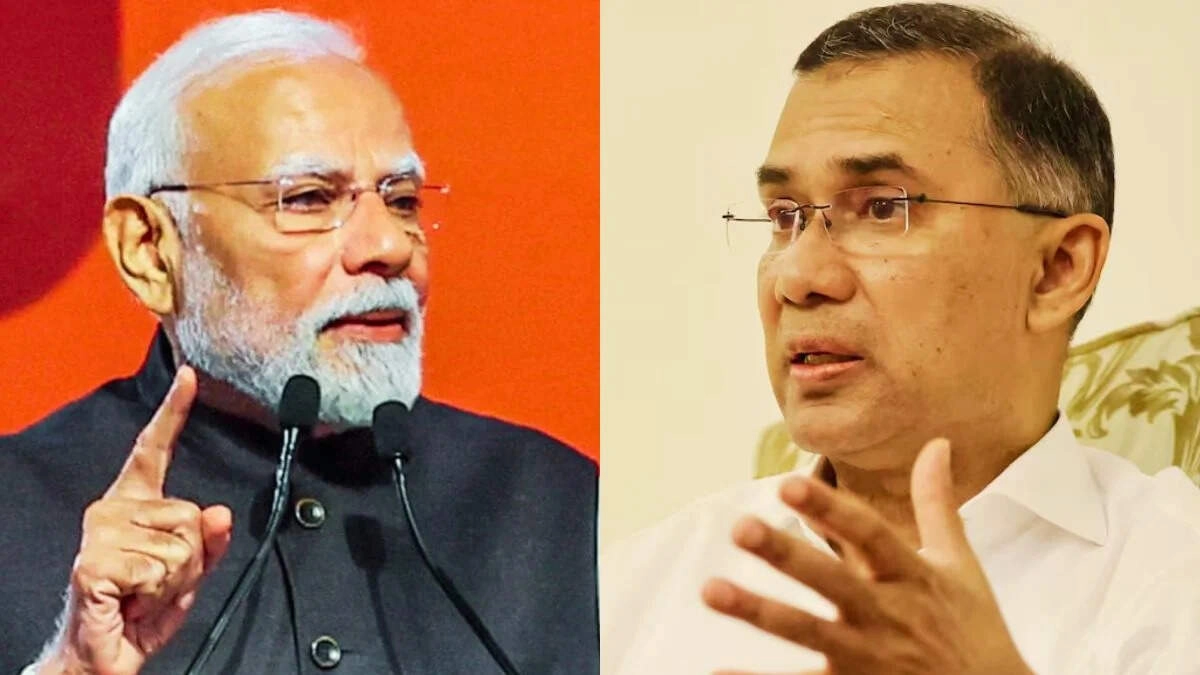
During the tenure of Yunus, the relationships between Bangladesh and India faced significant challenges. Various political and social factors contributed to a strain in these ties, leading to a complicated dynamic that affected bilateral cooperation and understanding. With the recent victory of the BNP (Bangladesh Nationalist Party), questions arise about how these relationships can be mended and improved moving forward. Tariq Rahman, a prominent political figure and analyst, has insights into the steps that can be taken to restore and strengthen the bonds between Bangladesh and India.
The BNP’s victory signals a shift in the political landscape of Bangladesh, which could open new avenues for dialogue with India. Tariq Rahman emphasizes the importance of addressing historical grievances and fostering mutual respect. This includes acknowledging past issues while focusing on common interests such as trade, security, and cultural exchange. By prioritizing these areas, both nations can work towards rebuilding trust and cooperation.
Additionally, Rahman suggests that engaging in open communication will be crucial. This means not only discussing bilateral issues but also addressing regional concerns that affect both countries. Collaborative efforts in areas like climate change, counter-terrorism, and economic development can provide a solid foundation for a renewed partnership. As both nations navigate their complex histories, the focus should be on creating a forward-looking agenda that benefits both sides.
In conclusion, improving relations between Bangladesh and India post-BNP victory will require a strategic approach involving dialogue, recognition of shared challenges, and collaborative initiatives. Tariq Rahman’s perspectives highlight the potential for a more harmonious relationship, underscoring the need for both nations to embrace opportunities for cooperation while addressing the past constructively. By doing so, they can pave the way for a more stable and prosperous future together.