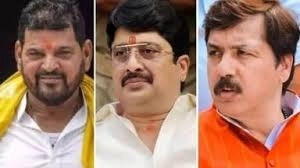
In the political landscape of Uttar Pradesh, the recent developments have taken a significant turn with Raja Bhaiya emerging as a prominent figure, following the controversies surrounding Brijbhushan Singh. The atmosphere in the assembly has become increasingly charged, with Raja Bhaiya voicing his concerns and criticisms against the government. His statements have resonated with many, drawing attention to issues that have long been simmering beneath the surface. As the echoes of the assembly debates reverberate, it becomes evident that Raja Bhaiya is not just a political player, but also a voice for those who feel marginalized in the current political climate.
The assembly sessions have witnessed a fervent exchange of ideas and accusations, with Raja Bhaiya at the forefront, challenging the ruling party’s stance on several key issues. His remarks have highlighted the difficulties faced by constituents, particularly in terms of infrastructure and governance. The metaphor of “carved roads” symbolizes not only the physical roads that need repair but also the pathways of progress that have been neglected. This imagery resonates deeply with the electorate, who are eager for tangible improvements in their daily lives.
Raja Bhaiya’s foray into the political fray underscores a growing discontent among citizens, who are increasingly vocal about their needs and aspirations. The government’s response to these grievances will be crucial in determining the political narrative in Uttar Pradesh moving forward. As the opposition rallies around Raja Bhaiya’s calls for accountability, the ruling party must navigate this charged political environment carefully. The coming weeks will likely see intensified debates and discussions, as both sides seek to capture the public’s attention and support in a state that is pivotal to India’s political landscape.
In conclusion, the dynamics in Uttar Pradesh’s assembly are shifting, with Raja Bhaiya emerging as a crucial figure in the ongoing political discourse. His challenges to the government, rooted in the call for better governance and accountability, reflect a broader sentiment among the populace. As political tensions rise, it remains to be seen how the government will respond to this emerging front and whether it can address the pressing concerns of its constituents effectively. The road ahead is fraught with challenges, but it also presents an opportunity for meaningful change in the state’s political narrative.