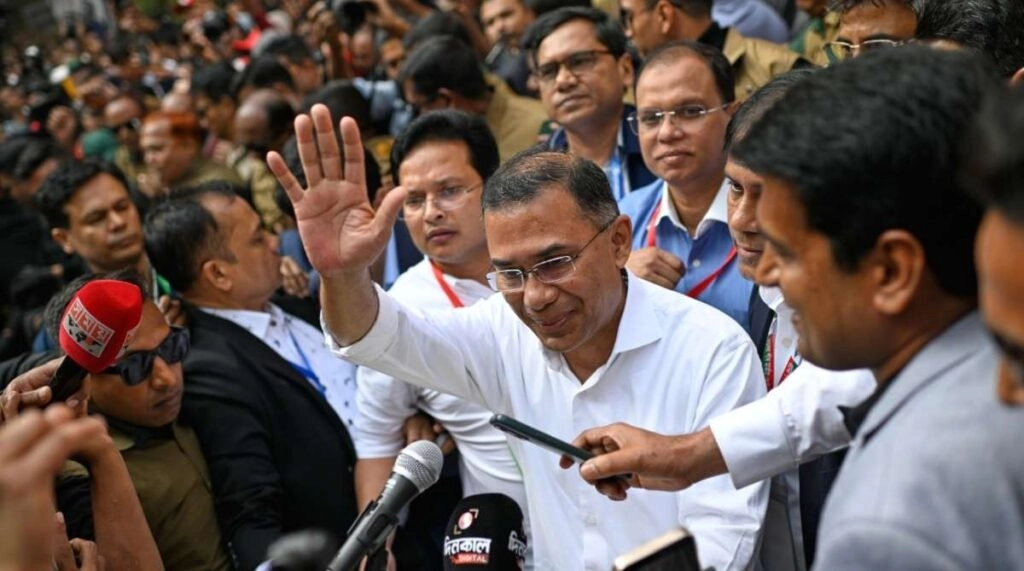
The wealth of the next Prime Minister of Bangladesh has become a topic of significant interest and speculation. As political dynamics evolve, understanding the financial background of key leaders is essential for assessing their integrity and governance. In Bangladesh, where political leadership directly impacts the nation’s development, any potential Prime Minister’s financial standing can raise questions about their motivations and transparency. Wealth accumulation among political figures often leads to scrutiny, especially regarding how they manage public resources and their commitment to addressing corruption.
In recent years, various allegations of corruption have emerged against numerous politicians in Bangladesh, including those who may be in contention for the Prime Minister position. These allegations raise concerns about the potential influence of corrupt practices on governance and policy-making. Transparency and accountability are critical for any leader, and the public’s perception of their wealth can significantly impact their legitimacy and effectiveness. The interplay between personal wealth and allegations of corruption can lead to mistrust among the populace, highlighting the need for thorough investigations and public disclosures.
The integrity of future leadership in Bangladesh will be closely monitored, as citizens demand accountability and ethical governance. The wealth of the next Prime Minister, alongside any corruption allegations, will play a pivotal role in shaping the political landscape. Voters are becoming increasingly aware of the implications of electing leaders with questionable financial histories. As the nation moves forward, the emphasis on transparency and the fight against corruption will be instrumental in fostering a more robust democracy and ensuring that the interests of the public are put first.