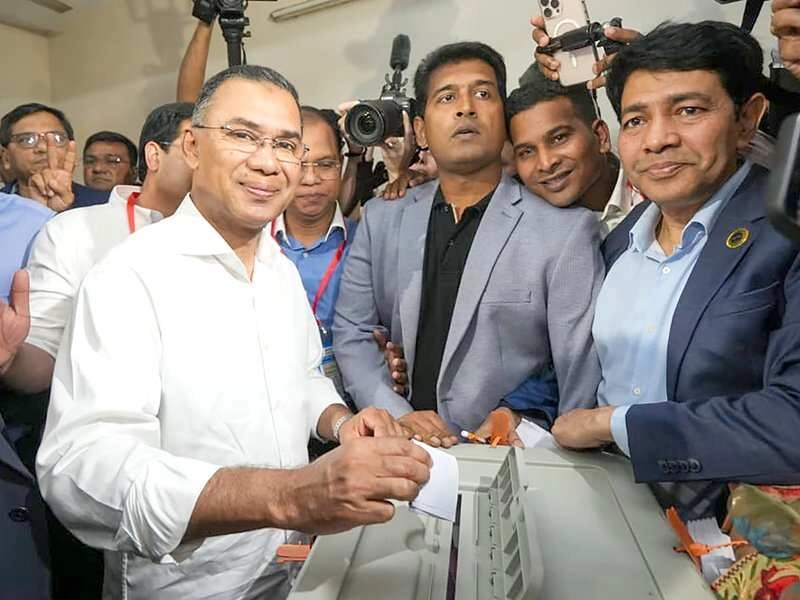
In a significant political shift in Bangladesh, the Bangladesh Nationalist Party (BNP) has made history by winning over 200 seats in the recent elections. This victory marks a pivotal moment in the country’s political landscape, as it paves the way for the BNP to assume power after a prolonged period of dominance by the Awami League. The BNP’s triumph is particularly noteworthy as it signifies the end of a 36-year hiatus in which Bangladesh did not have a male Prime Minister at the helm. This shift not only reflects the changing political dynamics in the nation but also showcases the electorate’s desire for change.
The implications of this victory are profound, suggesting a potential transformation in governance and policy direction. With the BNP taking the reins, there is an anticipation of a new era characterized by different priorities and strategies in addressing the challenges facing Bangladesh. The party’s historic win can be seen as a response to the public’s growing discontent with the previous administration’s handling of various issues, including economic management, social justice, and political freedoms. As the BNP prepares to form the government, it is imperative for them to address these concerns effectively to regain the trust of the populace.
Furthermore, the emergence of a male Prime Minister after 36 years could symbolize a return to traditional leadership styles that some segments of the population may prefer. This development also raises questions about gender representation in Bangladeshi politics, as the nation has seen a significant female presence in leadership roles, particularly with the long tenure of female Prime Minister Sheikh Hasina. The incoming administration will need to balance traditional expectations with the progressive demands of an increasingly aware and vocal populace, particularly the youth who played a crucial role in the recent electoral outcome.
As the political landscape of Bangladesh undergoes this transformation, it will be essential for the BNP to navigate the complexities of governance while fostering unity among diverse political factions and societal groups. The world will be watching closely to see how this new government addresses both domestic and international issues, and whether they can live up to the high expectations set by their historic electoral victory.