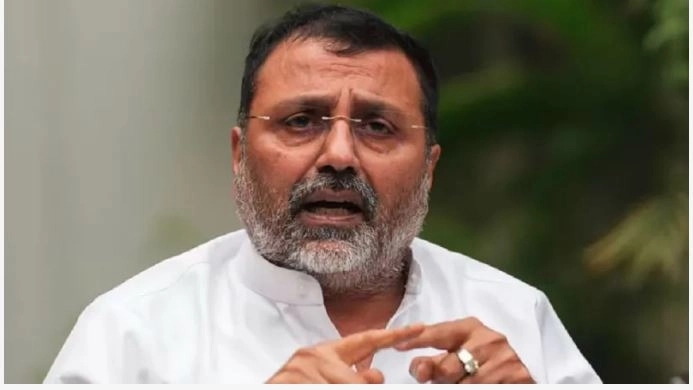
BJP Member of Parliament Nishikant Dubey has put forward a proposal advocating for the cancellation of Congress leader Rahul Gandhi’s membership in the Lok Sabha. This move comes amid ongoing political tensions and a backdrop of fierce rivalry between the Bharatiya Janata Party (BJP) and the Indian National Congress. Dubey’s proposal underscores the escalating friction within Indian politics, particularly as both parties jockey for influence and public support ahead of upcoming electoral contests.
In his argument, Dubey likely highlighted various issues surrounding Gandhi’s conduct and statements, suggesting that they warrant a reevaluation of his position as a Member of Parliament. This proposal is not just a call to action against an individual but reflects broader concerns regarding accountability and the responsibilities of elected officials in India. The BJP’s stance may resonate with its supporters who view Gandhi’s actions as detrimental to the integrity of the parliamentary system.
The implications of this proposal are significant, as it touches upon the principles of democratic representation and the rights of elected officials. If the proposal were to gain traction, it could set a precedent for how political disagreements are handled in the future. It raises questions about the balance of power within the Lok Sabha and the potential for partisan strategies to influence legislative processes. As the situation unfolds, it will be crucial to observe how political dynamics evolve and whether this proposal will lead to further confrontations or a reevaluation of inter-party relations in the Indian political landscape.