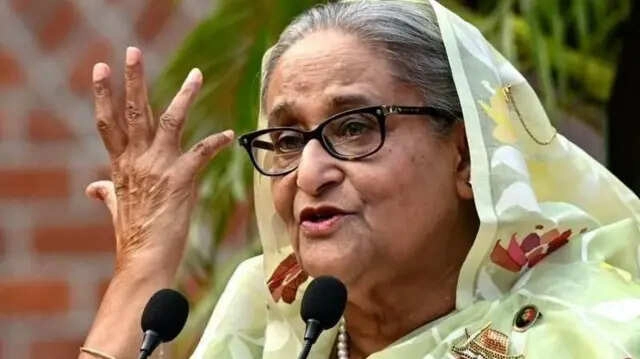
Bangladesh’s Prime Minister Sheikh Hasina has raised serious concerns regarding the upcoming elections in the country, labeling certain practices as illegal. In a recent statement, she outlined six key demands that she believes are essential for ensuring a fair electoral process. Her emphasis on legality and transparency highlights the political tensions that often accompany electoral events in Bangladesh.
Hasina’s first demand is the establishment of an independent election commission that can operate without governmental interference. She argues that a robust and impartial electoral body is crucial for the credibility of the elections. Secondly, she has called for the implementation of proper voter registration procedures to ensure that all eligible citizens can participate in the democratic process. This step is vital to prevent any form of disenfranchisement and to uphold the integrity of the electoral system.
Moreover, the Prime Minister has insisted on the necessity of a peaceful environment during the election period. She believes that without peace, the elections cannot be conducted fairly, leading to potential violence and unrest. Additionally, she has urged for the involvement of international observers to monitor the electoral process, ensuring adherence to global standards of democracy. Hasina’s final two demands focus on the accountability of political parties and the need for a code of conduct that all participants must follow, reinforcing the importance of ethical practices in politics.
In summary, Sheikh Hasina’s six demands underscore her commitment to a legally sound and fair electoral process. By advocating for an independent election commission, proper voter registration, a peaceful environment, international oversight, and accountability among political parties, she aims to safeguard the democratic principles in Bangladesh. The response to these demands from various political factions and the public will be critical in shaping the future of the country’s political landscape.