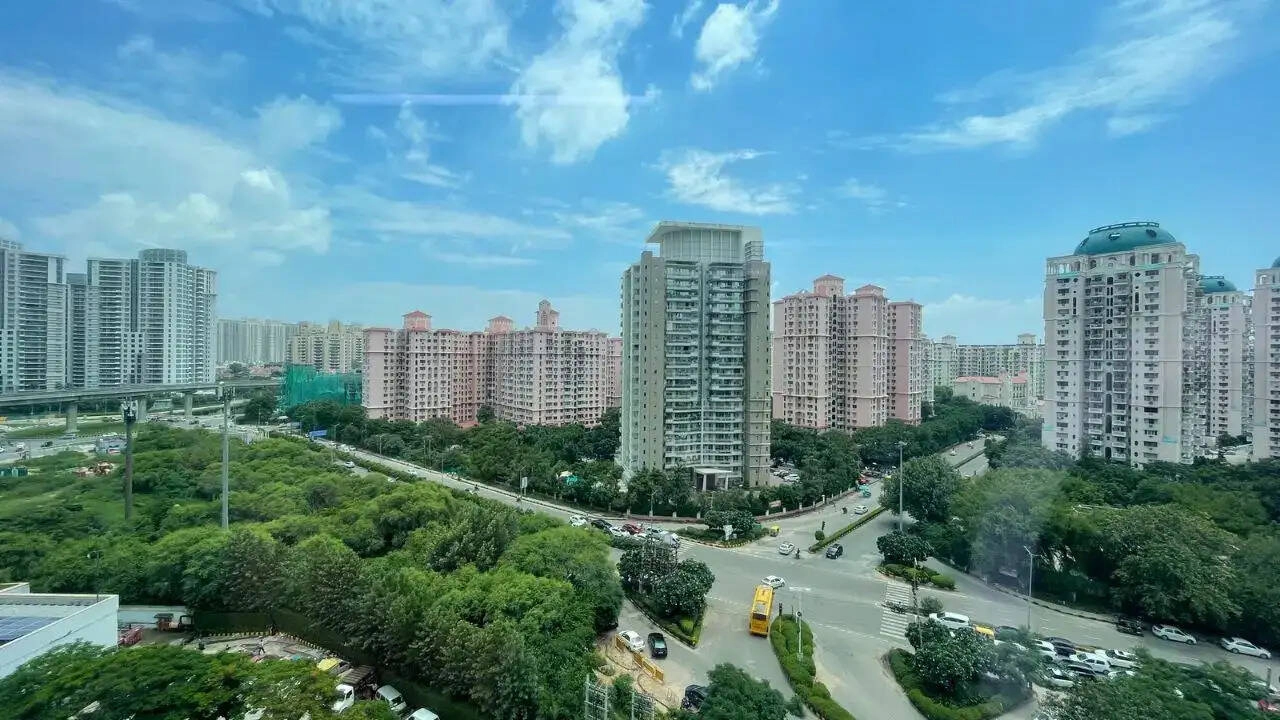
India is home to some of the wealthiest cities in the world, with each of these urban centers generating substantial annual income that reflects their economic prowess. The top ten richest cities in India contribute significantly to the nation’s GDP, showcasing a blend of commerce, industry, and innovation. These cities are not just financial hubs; they are also cultural melting pots that attract talent and investment from across the globe.
Among the wealthiest is Mumbai, often referred to as the financial capital of India. It boasts a staggering annual income driven by its thriving film industry, finance, and numerous multinational corporations. Following Mumbai is Delhi, the capital city, which is a major center for politics, commerce, and technology, contributing significantly to the national economy. Other notable mentions include Bangalore, known as the Silicon Valley of India, where the tech industry flourishes, and Chennai, an industrial powerhouse with a strong manufacturing base.
Cities like Hyderabad, Pune, and Ahmedabad also make the list, each with unique strengths in various sectors such as information technology, pharmaceuticals, and textiles. The wealth generated in these cities not only enhances their infrastructure and living standards but also attracts people from various parts of the country seeking better opportunities. This economic dynamism is crucial for India’s overall growth and development, making these cities vital engines of progress in the 21st century.
In summary, the economic landscape of India is significantly shaped by its wealthiest cities, each contributing to a vibrant and diverse economy. As these cities continue to grow and evolve, they offer a glimpse into the future of urban development and wealth generation in India. The annual earnings from these cities serve as a testament to their importance and influence, both domestically and internationally.