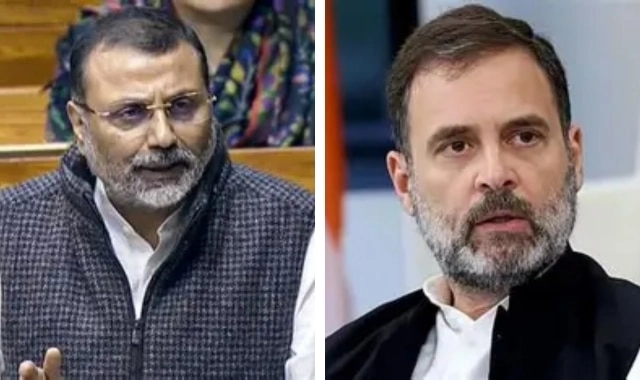
The Bharatiya Janata Party (BJP) has initiated a significant motion against Rahul Gandhi in the Lok Sabha, escalating the ongoing political tensions in the country. This move underscores the BJP’s strategic approach to address what it perceives as misleading statements made by the Congress leader. The party’s action is not just a response to Gandhi’s remarks but also a broader attempt to challenge the opposition’s narrative and solidify its position in the political landscape.
In recent sessions, Rahul Gandhi has been vocal about various issues, including government policies and socio-economic challenges. His comments have often sparked controversy, leading to accusations from the BJP that he is spreading misinformation. By moving a substantive motion against him, the BJP aims to hold Gandhi accountable for his statements and to assert its dominance in parliamentary proceedings. This action reflects the BJP’s commitment to countering opposition criticisms while reinforcing its message to its supporters.
The Lok Sabha is expected to witness heated debates as both sides present their arguments. The BJP’s motion could lead to significant discussions regarding accountability and the responsibilities of public figures in their statements. As the political landscape continues to evolve, this development will likely have repercussions on the broader electoral dynamics, influencing how parties strategize their communication and engage with the electorate. The outcome of this motion may also set a precedent for how future parliamentary debates are conducted, particularly concerning the conduct of opposition leaders.