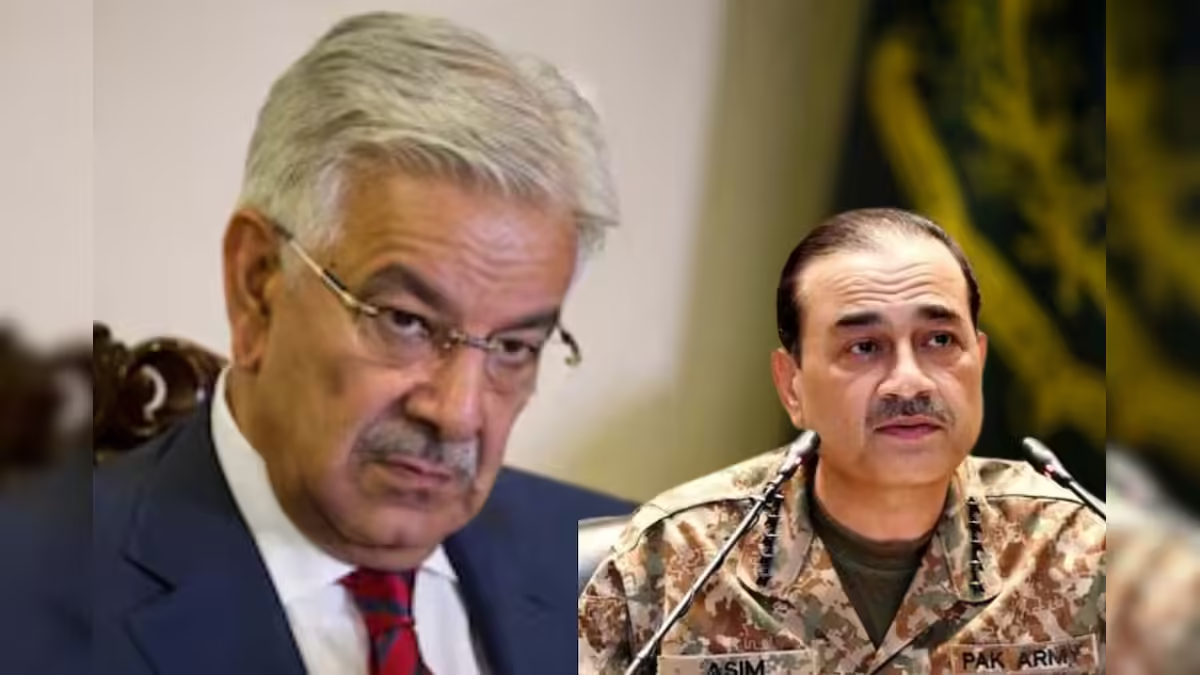
In a recent session of the Pakistan Parliament, a significant political upheaval unfolded, drawing attention from both the media and the public. Khawaja Asif, a prominent political figure, openly addressed the lack of genuine commitment among politicians to fight for the country. His remarks resonated deeply, highlighting the disconnect between political rhetoric and the actual dedication of leaders to the nation’s welfare. Asif’s candid criticism revealed the underlying issues plaguing the Pakistani political landscape, where personal interests often overshadow collective national goals.
During his speech, Asif emphasized that true leadership requires a selfless dedication to the country, rather than mere verbal assurances. He pointed out that many politicians prioritize their own agendas, neglecting the pressing needs of the citizens they are meant to serve. This sentiment reflects a broader disillusionment among the populace, who are increasingly frustrated with the lack of accountability and transparency in governance. Asif’s bold statements have sparked discussions about the ethical responsibilities of elected officials and the urgent need for reform within the political system.
The political turmoil in Pakistan is not merely a matter of individual politicians but represents a systemic issue that has persisted for years. Asif’s call to action resonates with a growing demand for leaders who are willing to prioritize the nation’s interests over personal gains. His remarks could potentially serve as a catalyst for change, urging fellow politicians to reevaluate their roles and responsibilities. As the country faces numerous challenges, including economic instability and security concerns, the need for a united front among political leaders has never been more critical. The parliamentary session has ignited a conversation about the future of Pakistan’s political landscape and the importance of genuine leadership in achieving lasting progress.