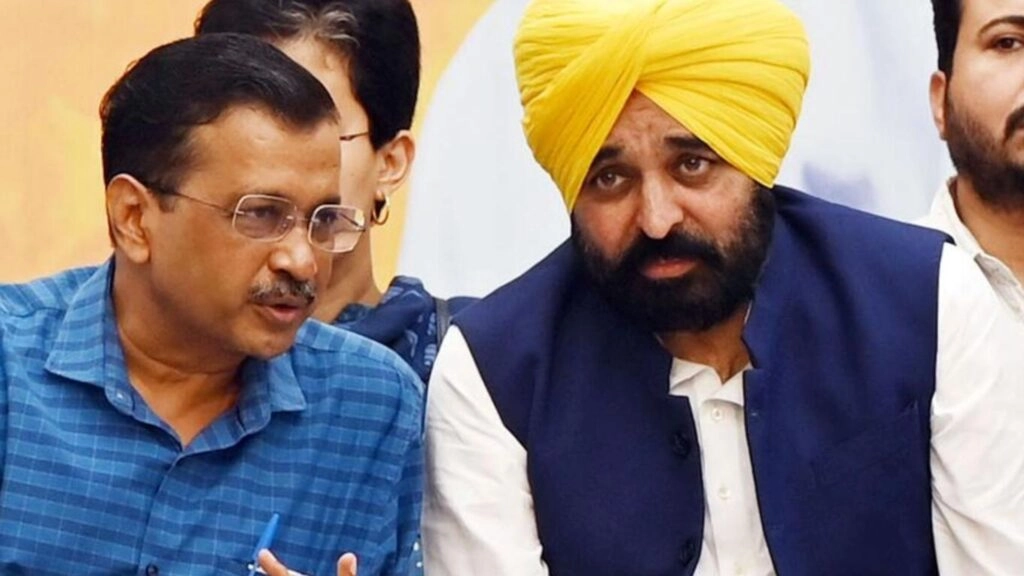
After a decade, Arvind Kejriwal has recalled a commitment he made previously regarding the political representation of Dalits in Punjab, raising questions about the potential appointment of a Dalit Deputy Chief Minister in the state. This promise resonates strongly within the context of Punjab’s socio-political landscape, where the Dalit community comprises a significant portion of the electorate. The prospect of a Dalit Deputy CM is seen as a crucial step towards ensuring equitable representation and addressing long-standing issues faced by this marginalized group.
Kejriwal’s renewed focus on this promise comes at a time when political dynamics in Punjab are shifting, and there is increased awareness about the need for inclusivity in governance. The inclusion of a Dalit leader in such a prominent position could not only enhance the representation of the community but also signal a commitment to addressing their grievances within the broader framework of state policies. This move could potentially strengthen the Aam Aadmi Party’s (AAP) position in Punjab, appealing to a voter base that is increasingly demanding accountability and representation.
Moreover, the appointment of a Dalit Deputy CM could have far-reaching implications for social justice initiatives and development programs aimed at uplifting marginalized communities in Punjab. It could foster a sense of belonging and empowerment among Dalits, encouraging their active participation in the political process. As the AAP navigates its strategy in Punjab, the fulfillment of this promise could be pivotal, as it seeks to establish itself as a champion for social equity and justice in the region. The unfolding political events will determine whether Kejriwal’s commitment translates into actionable change for the Dalit community in Punjab.