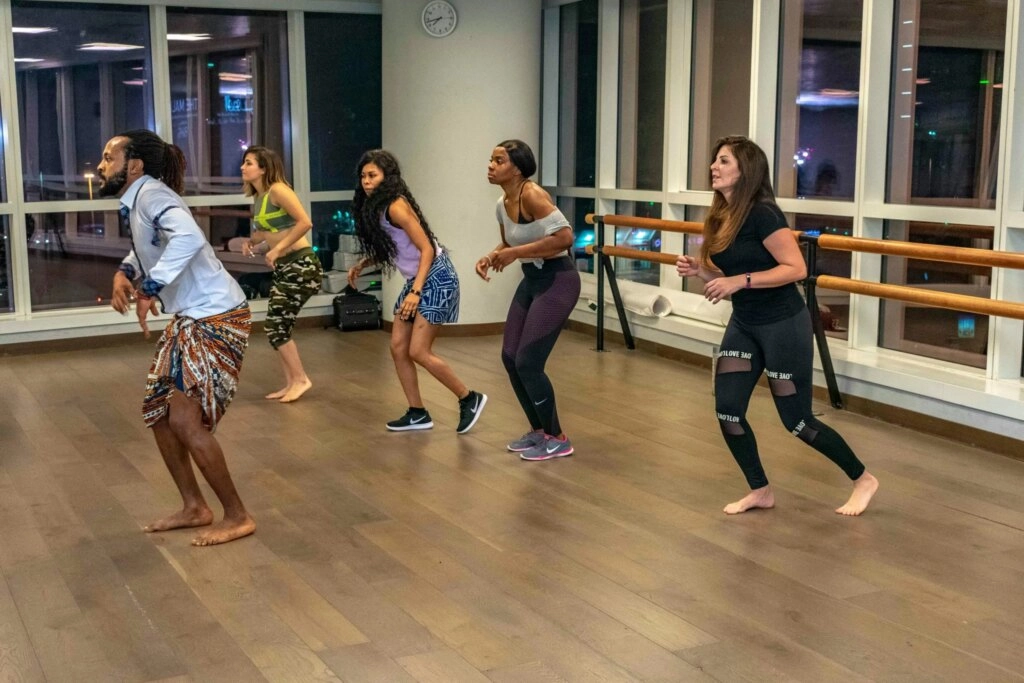
Recent research has sparked a lively debate about the effectiveness of dance as a form of therapy for combating depression, raising important questions about the conventional reliance on antidepressants. The study, which focused on the psychological benefits of dance, suggests that engaging in this expressive art form may significantly alleviate symptoms of depression. Participants who took part in structured dance sessions reported improved mood, increased feelings of joy, and a greater sense of community and connection with others. This has led researchers to consider whether dance could serve as a viable alternative or complement to traditional medication.
The findings highlight the profound impact that physical movement and artistic expression can have on mental health. Dance not only encourages physical activity, which is known to release endorphins and improve overall well-being, but it also fosters social interactions and creative expression. These elements combine to create an environment that can be therapeutic, allowing individuals to process emotions and experiences in a unique way. For many, the act of dancing becomes a form of release, enabling them to escape the confines of their depressive thoughts and engage with the world around them.
As the study raises questions about the role of antidepressants in treating depression, it also emphasizes the need for a more holistic approach to mental health. While medications can be effective for some individuals, they may not address the underlying emotional and social factors that contribute to depression. By incorporating dance and other expressive therapies into treatment plans, healthcare providers may offer patients a more comprehensive toolkit for managing their mental health. This shift could lead to a greater emphasis on lifestyle changes and creative outlets, allowing individuals to take charge of their well-being in ways that resonate personally with them.
In conclusion, the exploration of dance as a therapeutic intervention opens new avenues for understanding and addressing depression. As the mental health community continues to evaluate the efficacy of various treatments, integrating creative arts like dance into therapeutic practices could transform the landscape of mental health care, providing individuals with more options for healing and self-expression.