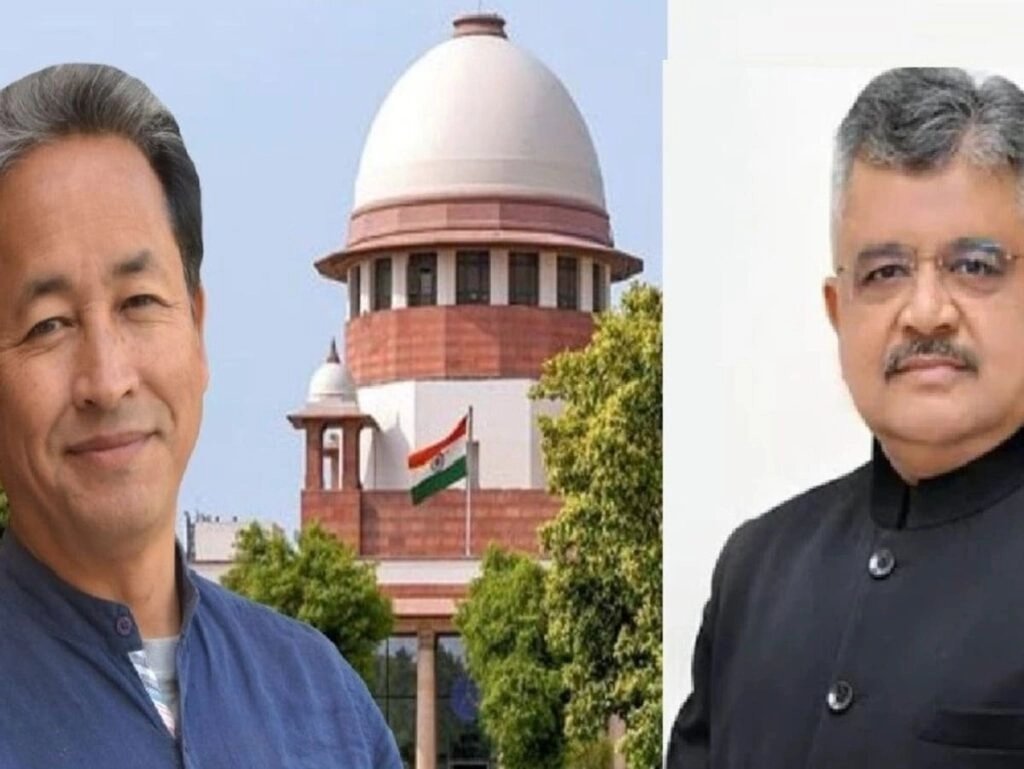
In a recent hearing at the Supreme Court regarding the Sonam Wangchuk case, Solicitor General Tushar Mehta urged the bench not to draw comparisons between the case and Mahatma Gandhi’s principles and actions. This statement was made with an awareness that such a comparison could dominate headlines and skew public perception. The implications of linking contemporary legal issues to historical figures like Gandhi, who is revered for his non-violent resistance and moral leadership, can often overshadow the complexities of current cases. Mehta’s caution reflects a desire to keep the discourse focused on the specifics of the legal matter at hand, rather than allowing it to be diverted into grandiose narratives that may misrepresent the nuances of the situation.
Sonam Wangchuk, an engineer and environmental activist known for his work in promoting sustainable development in Ladakh, has found himself at the center of legal proceedings that have garnered significant media attention. The context of his case involves issues related to environmental conservation and the rights of indigenous communities, which resonate deeply in today’s climate-conscious society. However, the challenge lies in ensuring that the legal arguments are assessed on their merits, without the overshadowing influence of historical comparisons that may simplify or misinterpret the current realities.
Mehta’s statement serves as a reminder of the responsibilities that come with public discourse, especially in a legal setting where the stakes are high. By advising against the comparison with Gandhi, he highlights the importance of maintaining the integrity of legal proceedings and ensuring that the focus remains on facts and evidence rather than emotional appeals tied to historical figures. The Supreme Court’s deliberations will ultimately determine the outcome of the Wangchuk case, and it is crucial that the discussion remains grounded in the particulars of the law and its implications for those involved.