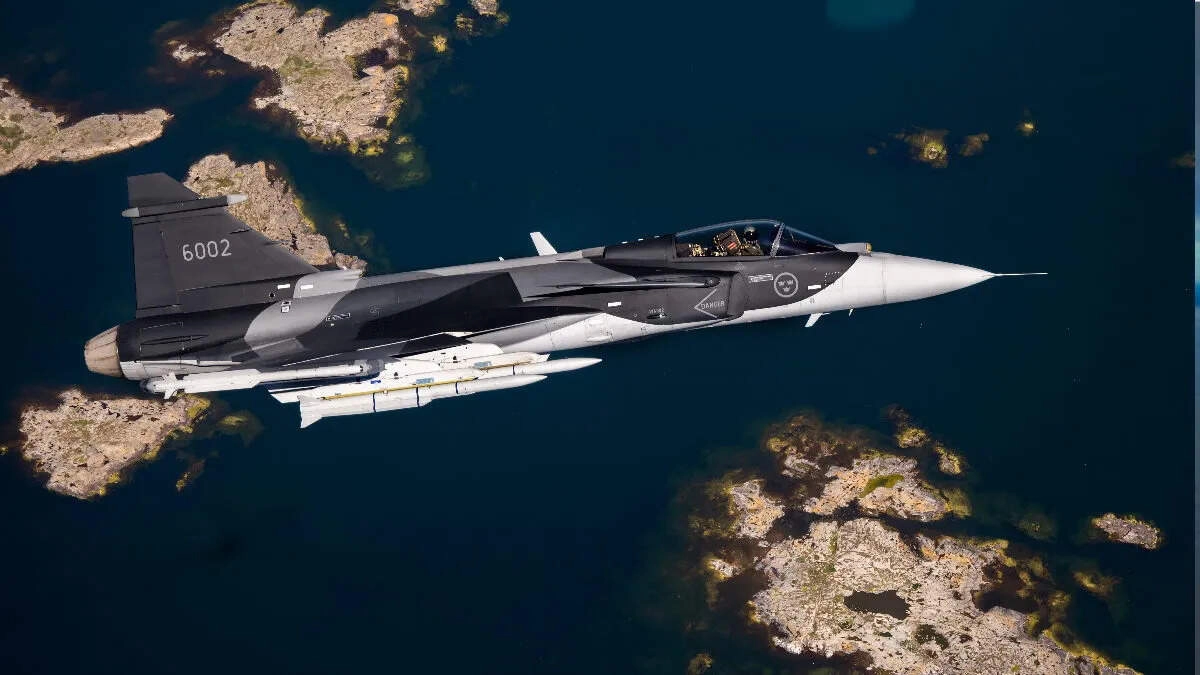
When comparing the Gripen fighter jet to the renowned Rafale, it is essential to examine several critical aspects, including speed, capabilities, and overall performance. The Gripen, manufactured by the Swedish company Saab, is a modern multirole fighter known for its agility, advanced avionics, and cost-effectiveness. One of its standout features is its ability to operate efficiently from shorter runways, making it versatile for various operational environments.
In terms of speed, the Gripen can reach a maximum speed of approximately Mach 2, which is quite competitive but slightly lower than the Rafale’s maximum speed of around Mach 1.8. However, the Gripen’s design emphasizes maneuverability and operational flexibility rather than sheer speed alone. Its advanced fly-by-wire system and lightweight structure allow it to excel in dogfights and multi-role missions, including air-to-air combat and ground attack.
Another critical aspect to consider is the technology and systems integrated into each aircraft. The Gripen boasts advanced radar systems, electronic warfare capabilities, and a modern cockpit interface, which enhance its combat effectiveness. Additionally, its low operational costs and ease of maintenance make it an attractive option for many air forces around the world. While the Rafale is often praised for its superior payload capacity and range, the Gripen’s adaptability and technological innovations present a compelling case in the fighter jet arena.
Ultimately, the comparison between the Gripen and Rafale is not just about raw power but also about the specific needs and operational requirements of the air forces that choose them. Each aircraft has its strengths and weaknesses, and the decision often comes down to factors such as mission profiles, budget constraints, and strategic objectives.