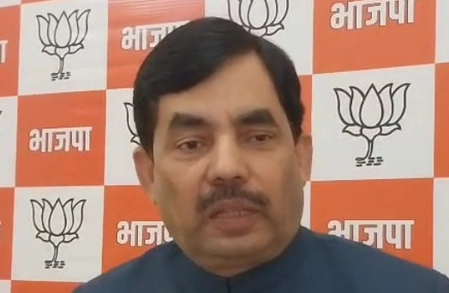
Shahnawaz Hussain, a prominent leader of the Bharatiya Janata Party (BJP), has recently made a striking statement regarding Rahul Gandhi, the leader of the Indian National Congress. Hussain has asserted that Rahul Gandhi has become a liability for the Parliament, suggesting that his presence and contributions are not beneficial to the legislative body. This remark comes amidst ongoing debates about the effectiveness of opposition leaders in addressing critical issues facing the nation.
Hussain’s comments highlight the growing concern among some political factions about the role of opposition parties in Indian politics. He argues that instead of providing constructive criticism and viable solutions, Rahul Gandhi’s actions and statements often lead to confusion and distraction. This perspective reflects a broader sentiment among certain political circles that the opposition needs to step up its game and engage more effectively with the challenges the country faces.
Moreover, this statement could be seen as part of a larger strategy by the BJP to undermine the credibility of its political rivals, particularly as elections approach. By labeling Rahul Gandhi as a burden, the BJP aims to reinforce its narrative of competence and leadership, contrasting it with what they perceive as the shortcomings of the Congress party. The implications of such remarks extend beyond mere political rhetoric; they contribute to the shaping of public perception and voter sentiment in a highly competitive political landscape.
In conclusion, Shahnawaz Hussain’s assertion about Rahul Gandhi being a burden in Parliament underscores the intense political rivalry in India. It raises critical questions about the effectiveness of opposition leadership and the responsibilities of political parties in contributing to national discourse. As the political scene evolves, these discussions will likely play a significant role in shaping future electoral outcomes and the direction of Indian democracy.