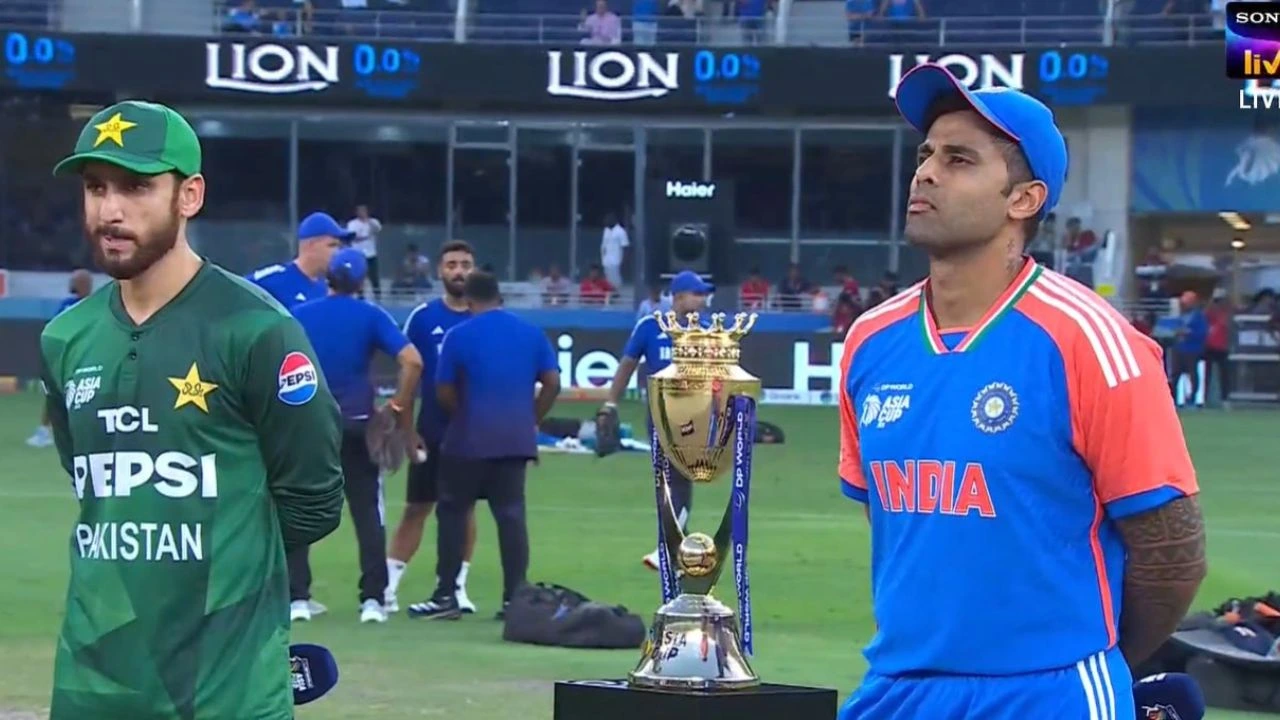
The recent decision by the Pakistan Cricket Board (PCB) to allow its national cricket team to participate in the T20 World Cup has ignited a fresh wave of discontent and calls for boycott within Pakistan. This shift in stance has created a rift among cricket enthusiasts and political circles alike, with many questioning the PCB’s motives and the implications of this move for the future of cricket in the country. The backdrop of this controversy is not merely about sports; it is deeply intertwined with national sentiment and the ongoing political tensions between Pakistan and India.
Critics argue that the PCB’s decision undermines the longstanding position of boycotting matches against India, which many see as a principled stance due to historical grievances and political conflicts. This sentiment has been echoed by various political figures and former players, who have voiced their disapproval and called for a reconsideration of the board’s approach. The T20 World Cup, being a highly anticipated event, has intensified these feelings, as many see participation as a betrayal of national pride and a compromise of the country’s values.
Supporters of the PCB’s decision, however, argue that participating in international events is crucial for the team’s development and for maintaining a presence on the global stage. They believe that engagement through sports can serve as a bridge to foster better relations between the two nations. Nonetheless, this argument has not quelled the rising tide of opposition, with many fans and stakeholders feeling that cricket should not be used as a tool for diplomacy, especially in such a charged political environment.
As the T20 World Cup approaches, the PCB finds itself at a crossroads, balancing the demands of international cricket with the sentiments of its fan base. The internal revolt and calls for boycott highlight the complexities of sports in regions where political issues often overshadow the game itself. The outcome of this situation will not only affect the PCB’s standing but could also have broader implications for cricket in Pakistan, shaping how the nation approaches its relationship with India in the realm of sports moving forward.