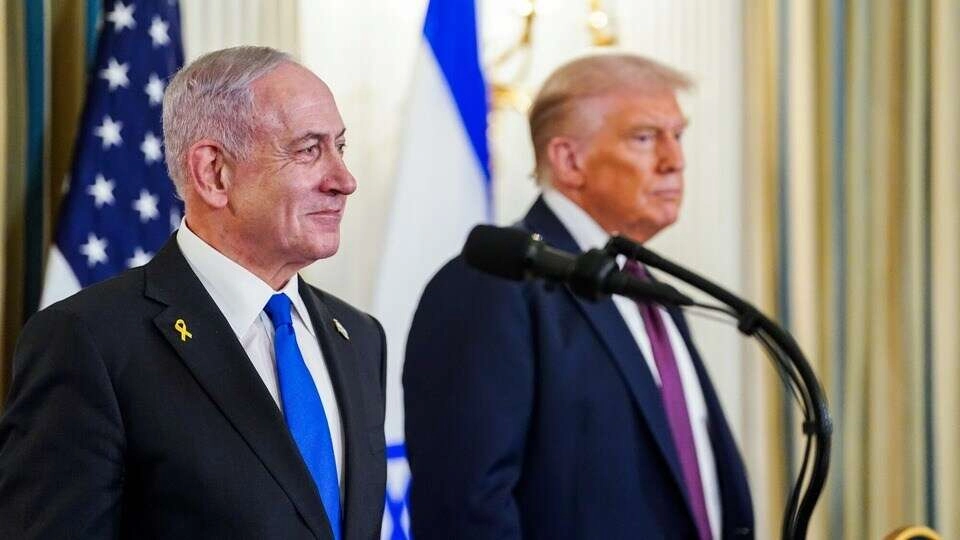
Israel has issued a stark warning to the United States, stating that if Iran does not comply with their demands, they will take unilateral military action. This declaration raises significant concerns about the potential for escalation in the Middle East, as tensions between Israel and Iran have been mounting for years. The Israeli government, led by Prime Minister Benjamin Netanyahu, views Iran’s nuclear ambitions and its support for militant groups as existential threats to the nation. In this context, the warning serves not only as a message to Iran but also as a signal to the international community regarding Israel’s readiness to act independently if diplomatic efforts fail.
The implications of Israel’s stance are profound. With Iran’s Supreme Leader Ayatollah Ali Khamenei at the helm, the possibility of a military confrontation looms large. Khamenei has shown a willingness to confront Israel and has made statements that underscore his commitment to opposing Israeli forces. The potential for a conflict raises questions about the broader geopolitical landscape, including the roles of various regional players and the United States’ involvement. As Israel prepares for the possibility of an attack, the stakes are high, and the repercussions could destabilize the already volatile region.
Moreover, this situation has far-reaching consequences for global security and diplomacy. The United States has traditionally acted as a mediator in Middle Eastern conflicts, and Israel’s warning puts pressure on Washington to reassess its strategies regarding Iran. As negotiations surrounding Iran’s nuclear program continue, the urgency for a diplomatic resolution becomes more critical. However, with both sides entrenched in their positions, finding common ground appears increasingly challenging. The world watches closely as the situation unfolds, knowing that any miscalculation could lead to a larger conflict, potentially drawing in other nations and exacerbating tensions across the globe.