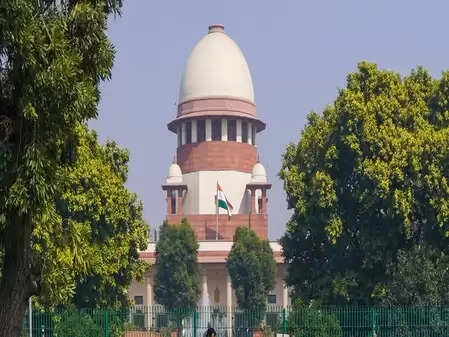
The Unnao rape case has taken a significant turn as the Supreme Court of India has dealt a setback to the accused, Kuldeep Senger. In a recent ruling, the apex court denied hearing his bail petition, which signifies a crucial step in the ongoing pursuit of justice for the victim. Kuldeep Senger, a former Bharatiya Janata Party (BJP) legislator, has been embroiled in this high-profile case since it came to light, bringing forth serious concerns regarding women’s safety and the rule of law in the country.
The Unnao case highlights the complexities of the legal system, especially when it involves influential figures. The victim’s fight for justice has been fraught with challenges, including threats and pressure from various quarters. The Supreme Court’s decision not to entertain Senger’s bail plea reinforces the judiciary’s commitment to ensuring that justice is served without any undue influence from political power or societal pressures. This ruling not only reflects the seriousness of the allegations against Senger but also serves as a message that the legal system will not be swayed by the status or position of the accused.
Furthermore, this development is pivotal in empowering victims of sexual assault to come forward and seek justice. The Unnao case has sparked nationwide protests and discussions about the need for stricter laws and better protections for women. It has encouraged a broader dialogue about the societal attitudes toward sexual violence and the necessity for systemic changes to prevent such heinous crimes. With the Supreme Court’s intervention, there is hope that the wheels of justice will turn in favor of the victim, and that accountability will be upheld, ensuring that such incidents do not go unpunished. The eyes of the nation remain focused on the proceedings as they unfold, reflecting the collective demand for justice in cases of sexual violence.