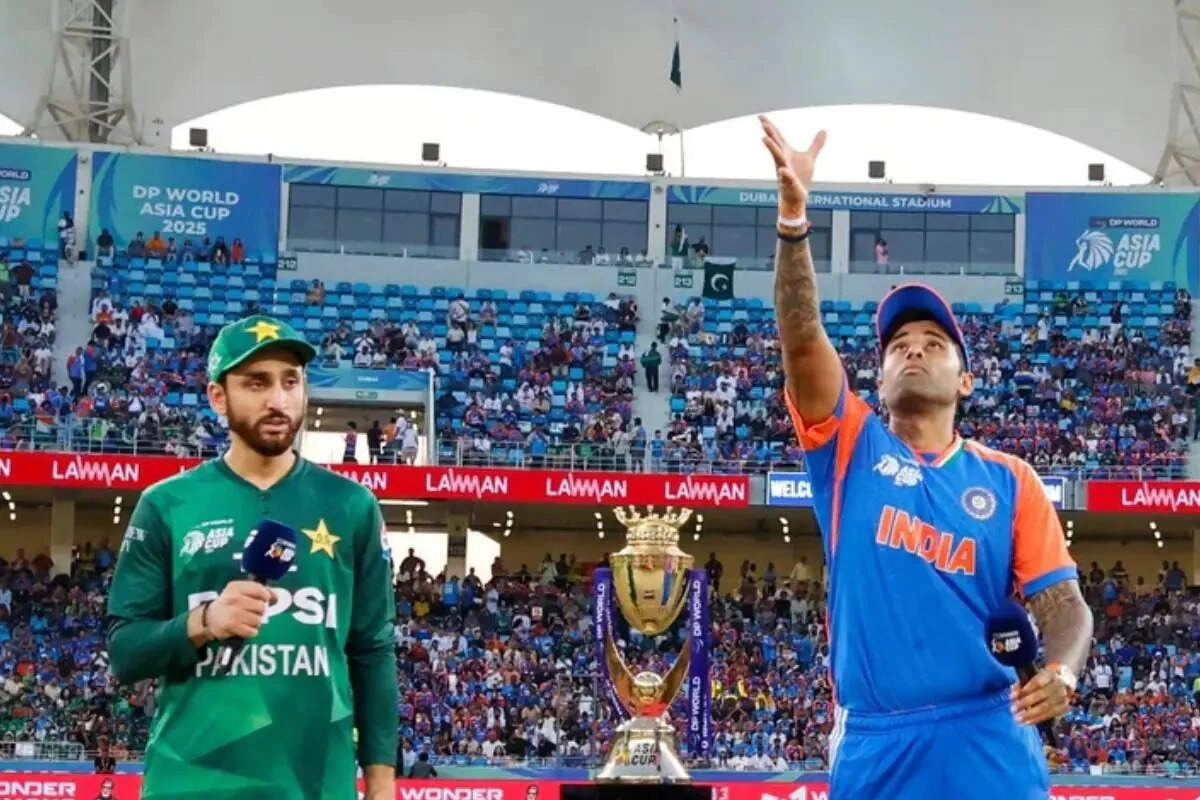
Pakistan’s recent stance regarding its cricketing relations with India has left many scratching their heads in confusion. On one hand, there are calls for a boycott of matches, reflecting the ongoing political tensions between the two nations. On the other hand, the Pakistan cricket team is also expressing a desire to play matches against India and even engage in gestures like shaking hands, which adds a layer of complexity to the situation. This dichotomy has created a perplexing scenario that raises questions about the underlying motivations and strategies at play.
The call for a boycott often stems from political sentiments and nationalistic fervor, which can overshadow the sporting spirit. Cricket, being a significant aspect of both countries’ cultures, often becomes a battleground for larger issues. Yet, the desire to compete on the field suggests an acknowledgment of the unifying power of sports. Matches between India and Pakistan have historically drawn massive audiences and fostered goodwill among fans, making the idea of boycotting these events seem counterproductive.
Moreover, the willingness to shake hands and engage in friendly gestures points to a desire for diplomacy and camaraderie, even amidst the backdrop of political disputes. It reflects a complex relationship where sports can serve as a bridge, helping to ease tensions and foster dialogue. As fans and analysts ponder these mixed signals, it becomes clear that the interplay between sports and politics continues to shape the narrative in South Asia, making it essential for stakeholders to navigate these waters with care. Ultimately, the future of cricketing ties between India and Pakistan will depend on how both nations choose to balance their sporting ambitions with their political realities.