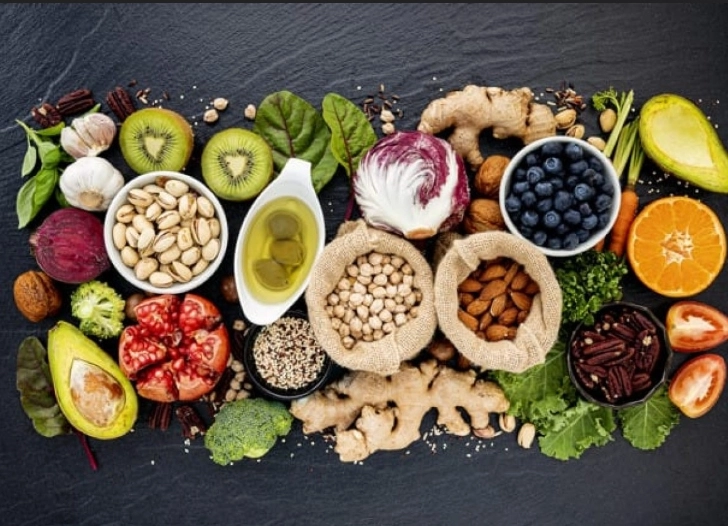
During the winter months, it’s crucial to focus on maintaining good health, and one essential aspect is preserving our eyesight. Fortunately, several superfoods are abundantly available during this season that can contribute significantly to eye health. Incorporating these nutrient-rich foods into your diet can help combat common winter ailments and support your vision.
First on the list is carrots, renowned for their high beta-carotene content, which the body converts into vitamin A. This essential vitamin plays a vital role in maintaining good vision and preventing night blindness. Carrots can easily be added to various dishes, from salads to soups, making them a versatile winter staple. Another excellent choice is kale, a leafy green packed with lutein and zeaxanthin, antioxidants that help filter harmful blue light and reduce the risk of macular degeneration. Kale can be enjoyed in salads, smoothies, or cooked as a side dish, providing both flavor and nutrition.
Additionally, citrus fruits such as oranges and grapefruits are rich in vitamin C, an antioxidant that supports eye health by reducing the risk of cataracts and age-related macular degeneration. Including these fruits in your diet can boost your immune system during the cold months while simultaneously benefiting your eyesight. Lastly, fatty fish like salmon and mackerel are excellent sources of omega-3 fatty acids, which promote overall eye health and may help prevent dry eyes. These fish can be enjoyed grilled, baked, or incorporated into hearty winter stews.
Incorporating these five superfoods into your winter diet not only supports your vision but also enhances your overall well-being. By making conscious choices to include carrots, kale, citrus fruits, and fatty fish in your meals, you can enjoy the season while taking proactive steps to protect your eyesight. Remember, a well-balanced diet plays a significant role in maintaining eye health, especially during the winter months when our bodies may require extra nourishment.